National Assembly Concludes Second Parliamentary Year with Significant Legislative Activity
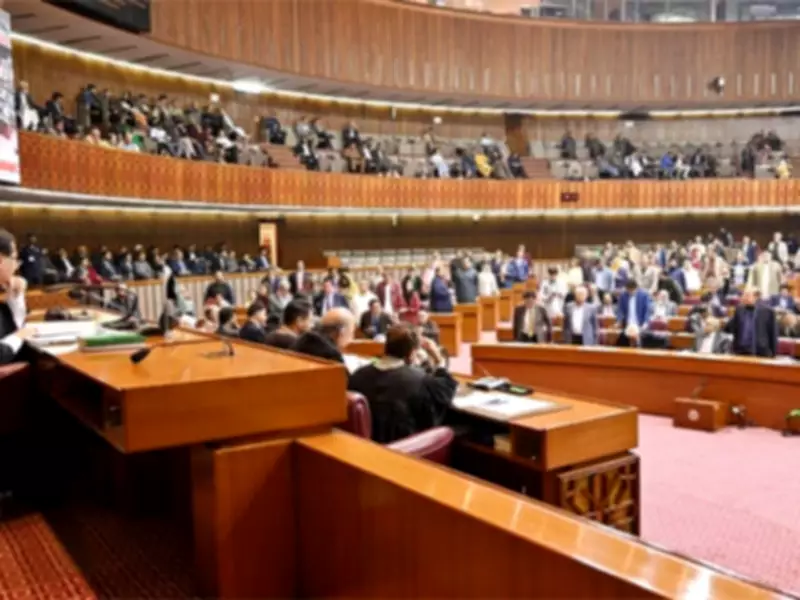
The second parliamentary year of the 16th National Assembly, which officially concluded on Tuesday, witnessed substantial legislative and oversight work, with lawmakers passing a total of 46 bills into law. This included 40 government-sponsored bills and six private members' bills, reflecting a collaborative effort across the political spectrum. Additionally, the House adopted 27 resolutions during this period, addressing various national issues.
Legislative Output and Parliamentary Proceedings
Throughout the year, a remarkable 159 bills were introduced for consideration. Of these, 59 were government bills tabled directly in the National Assembly, while 14 were received from the Senate, indicating inter-house coordination. The Assembly held 11 regular sittings and three joint sittings, accumulating 130 working days with a total duration of 237 hours and 36 minutes. This demonstrates a committed schedule to parliamentary business.
Enhanced Oversight and Accountability Measures
Under its oversight function, members actively engaged in holding the executive accountable. They asked 7,625 questions, of which 1,710 were answered on the floor of the House, promoting transparency. Furthermore, 329 calling attention notices were submitted, with 49 taken up for discussion. In terms of motions, 15 adjournment motions were moved, with 13 rejected, and 33 privilege motions were processed—six referred to standing committees, 18 under consideration, six rejected, and two withdrawn. Under Rule 259, 263 motions were received, with four included in the Order of the Day and three debated.

Budget Session and Historic Committee Formation
During the FY2025-26 budget session, the annual budget underwent detailed debate, ensuring thorough scrutiny. In a historic first for parliamentary proceedings, a joint committee was formed, comprising members from the finance committees of both the National Assembly and Senate. This committee conducted an in-depth review of the Finance Bill and presented its recommendations after extensive deliberations, setting a precedent for future budgetary processes.
Key Legislation and Speaker's Leadership
Significant legislation passed during the year included the 27th Constitutional Amendment and amendments to the Pakistan Army Act 1958, among other important laws. Speaker Ayaz Sadiq presided over the proceedings, effectively facilitating dialogue between the government and opposition on matters of national importance. Efforts were made to strengthen Question Hour to ensure ministerial accountability, including summoning relevant secretaries when answers were not provided, thereby enhancing executive responsiveness.
Activation of Parliamentary Forums and Diplomacy
To promote inclusive governance, various parliamentary forums were activated, such as the Women Parliamentary Caucus, Parliamentary Caucus on Child Rights, Young Parliamentarians Forum, and the Parliamentary Task Force on Sustainable Development Goals. These forums organized policy dialogues, legislative workshops, public consultations, and international engagements, with provincial caucuses established to expand outreach and ensure broader participation.
Speaker Sadiq also advanced parliamentary diplomacy by participating in a conference in Türkiye in solidarity with Palestine, where he presented Pakistan's stance. He undertook official visits to Saudi Arabia and Azerbaijan and attended the Sixth World Conference of Speakers of Parliament in Geneva, strengthening international parliamentary ties and promoting Pakistan's interests globally.