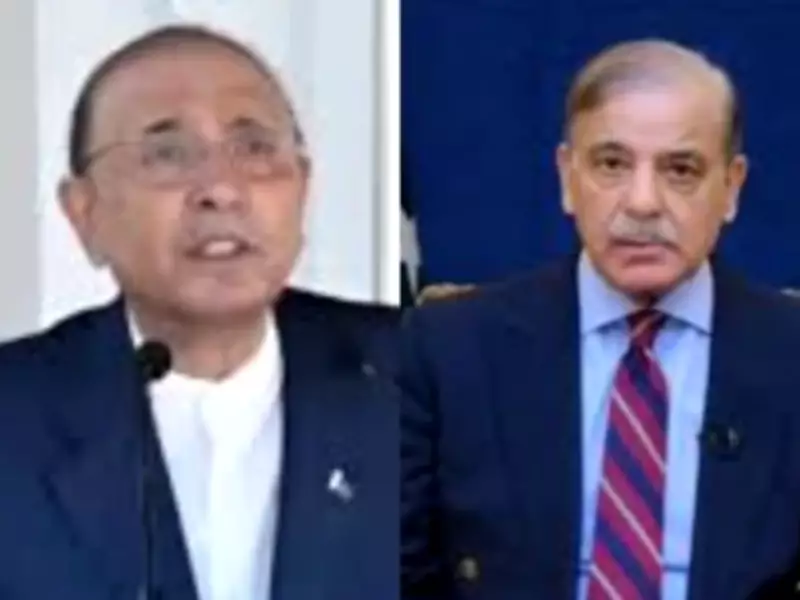
Zardari and Shehbaz Unite in Call for Women's Empowerment
In a significant political development, President Asif Ali Zardari and Prime Minister Shehbaz Sharif have publicly expressed their strong support for advancing women's empowerment across Pakistan. This joint stance underscores a shared commitment to addressing gender disparities and fostering inclusive growth in the country.
Emphasis on National Development
Both leaders highlighted that empowering women is not merely a social issue but a fundamental driver of national development. They argued that by enhancing women's participation in all sectors—including education, economy, and politics—Pakistan can achieve more sustainable and equitable progress. This perspective aligns with global trends that recognize gender equality as a cornerstone of economic stability and social harmony.
Historical Context and Current Efforts
Historically, Pakistan has faced challenges in women's rights, but recent years have seen incremental improvements through legislative reforms and awareness campaigns. Zardari and Shehbaz pointed to ongoing initiatives aimed at increasing female representation in government and improving access to education and healthcare for women. They stressed the need for continued efforts to overcome cultural and institutional barriers that hinder women's advancement.

Implications for Policy and Society
The leaders' advocacy is expected to influence future policies, potentially leading to enhanced funding for women-centric programs and stricter enforcement of laws protecting women's rights. This move could also galvanize public discourse, encouraging broader societal acceptance of gender equality. By taking a united front, Zardari and Shehbaz aim to set a precedent for bipartisan cooperation on critical social issues.
Challenges and the Path Forward
Despite their support, significant obstacles remain, such as deep-rooted patriarchal norms and economic disparities. The leaders acknowledged these challenges and called for a multi-faceted approach involving government, civil society, and international partners. They emphasized that sustained commitment and concrete actions, rather than mere rhetoric, are essential to translate their vision into tangible outcomes for women in Pakistan.