Howard Rejects Both Absolutist and Prohibitionist Views
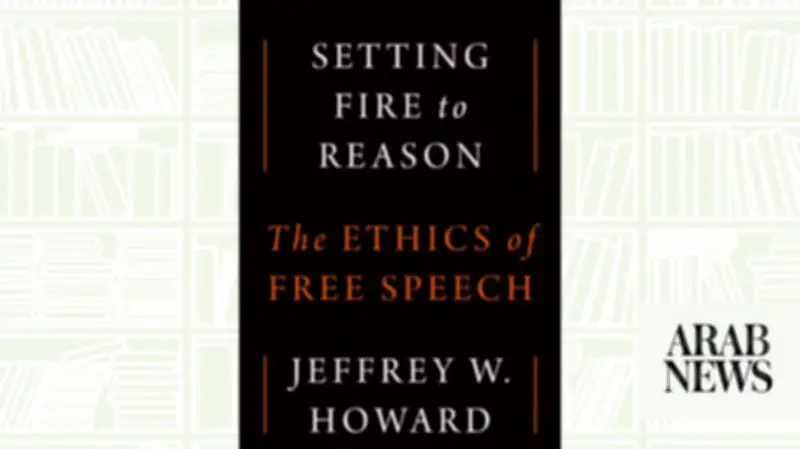
In the ongoing debate over free speech, two extreme positions often dominate: one side argues that the right to free speech is nearly absolute, while the other defends sweeping prohibitions on harmful speech. In his new book, 'Setting Fire to Reason,' Jeffrey W. Howard rejects both extremes. He contends that free speech is among our most important moral rights, but like all rights, it has limits determined by the moral duties we owe to each other.
Translating Moral Limits into Law
Howard acknowledges that translating these moral limits into law is complex. The appropriateness of speech regulation depends on the specific type of speech at issue and the risks of government abuse. Using incitement as a central example of harmful speech, Howard sets out an integrated framework of speakers' rights and duties, determining when and why speech restrictions can be justified.
Ethical Duties of Social Media Platforms
In developing this original theory, Howard pinpoints the ethical duties of social media platforms. He assesses the role of counter-speech as a weapon against harmful communications and explores how the law and morality of free speech can and should diverge. The book offers a nuanced perspective that seeks to balance the protection of free expression with the need to prevent harm.

According to Howard, free speech is a moral right that must be balanced against other moral considerations. He argues that while the right to free speech is fundamental, it is not absolute and must be limited when it conflicts with other important values, such as the prevention of harm to others.