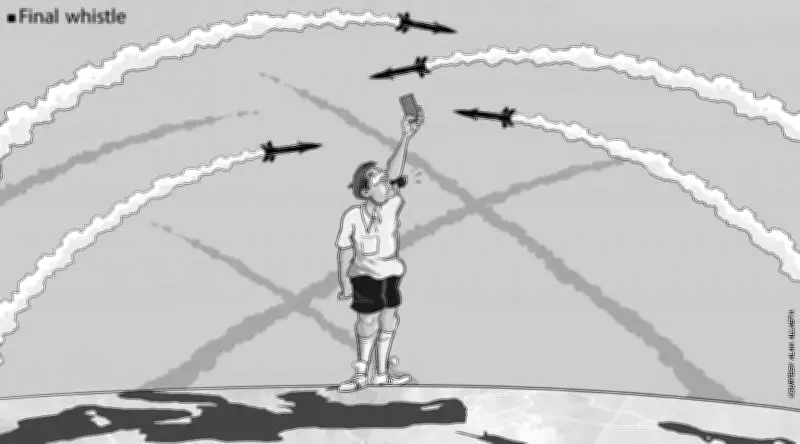
A controversial cartoon published in a leading Pakistani newspaper has ignited a fierce debate over the limits of freedom of expression in the country. The cartoon, which appeared in the daily's opinion section, depicts a political figure in a manner that many readers found offensive, while others defended it as a legitimate form of satire.
Immediate Reactions and Public Outcry
Within hours of publication, social media platforms were flooded with comments both condemning and supporting the cartoon. The newspaper's office received hundreds of phone calls and emails, with some readers threatening to cancel their subscriptions. According to a statement from the newspaper's editor, the cartoon was intended to spark discussion on current political issues, not to offend any particular group.
Legal and Political Ramifications
The controversy quickly escalated to the legal arena. A petition was filed in the Lahore High Court demanding that the newspaper issue a public apology and that the cartoonist be charged under Pakistan's cybercrime laws for spreading hatred. Political parties also weighed in, with the ruling party's spokesman calling the cartoon "a deliberate attempt to undermine national institutions." In contrast, opposition leaders praised the publication for exercising its right to free speech.

"This cartoon is a reflection of the growing intolerance in our society," said a senior journalist and media analyst. "We need to have a mature conversation about where to draw the line between satire and offense."
Historical Context of Satire in Pakistan
Pakistan has a long tradition of political satire, dating back to the early days of independence. However, in recent years, the space for such expression has narrowed, with several journalists and cartoonists facing legal action and even physical threats for their work. This incident is the latest in a series of controversies that highlight the tension between artistic freedom and societal norms.
According to a 2023 report by the Pakistan Press Foundation, there were over 50 cases of harassment or legal action against journalists and cartoonists in the past five years, underscoring the risks faced by those who push boundaries.
Impact on Media and Public Discourse
The debate has also had a chilling effect on other media outlets. Several newspapers and TV channels have reportedly decided to exercise greater caution in their editorial choices, fearing backlash. Meanwhile, civil society groups have organized rallies in support of the cartoonist, carrying placards that read "I am Charlie" in solidarity with the global movement for free expression.
"Freedom of expression is a fundamental right enshrined in our constitution," said a representative of the Pakistan Human Rights Commission. "But it comes with responsibilities. The key is to find a balance that respects both individual rights and collective sensibilities."
Conclusion: A Nation Divided
The cartoon controversy has laid bare the deep divisions within Pakistani society over issues of free speech, religion, and politics. As the legal case proceeds, the nation remains split between those who see the cartoon as a harmless joke and those who view it as a dangerous provocation. What is clear is that the debate is far from over, and its outcome could have lasting implications for media freedom in Pakistan.