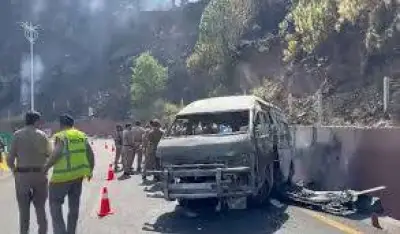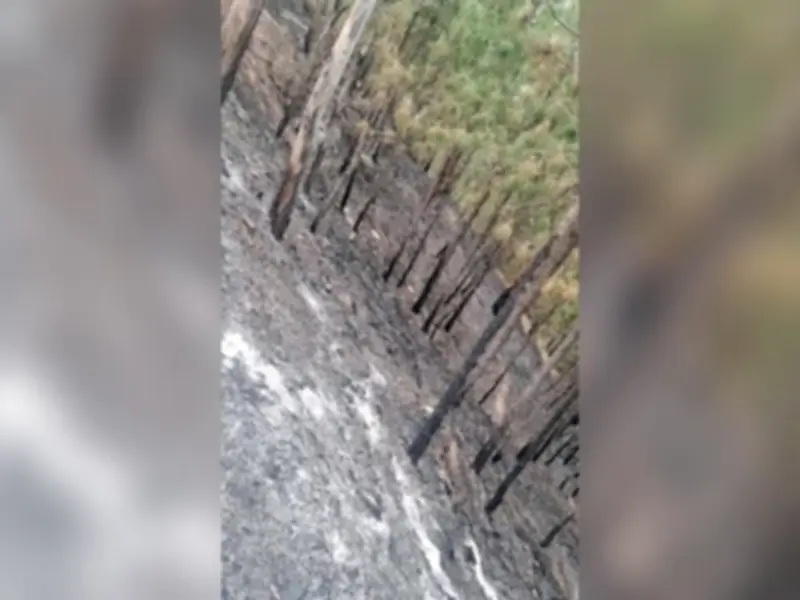
ABBOTTABAD: Shimla Hill, one of the last remaining green belts and ecologically significant natural assets of Abbottabad city, is facing increasing environmental degradation due to recurrent fire incidents and the absence of a specialised conservation-oriented management framework.
Recurring Fire Incidents
According to environmental observers, fire outbreaks are reported at Shimla Hill almost every year, causing extensive damage to natural vegetation, forest regeneration, wildlife habitats, and biodiversity. During the current fire season alone, multiple fire incidents have been reported from different parts of Shimla Hill, raising serious concerns about the area's vulnerability and the lack of effective prevention and response measures. The repeated destruction has alarmed conservationists, who warn that the area's ecological integrity is rapidly deteriorating.
Management Challenges
Experts point out that while the area falls under the management and administrative control of the Tehsil Municipal Administration (TMA) Abbottabad, the institution's legal and operational mandate primarily focuses on municipal services and urban management. Ecological challenges such as forest fires, habitat conservation, biodiversity protection, and ecosystem management do not fall within its core area of expertise, resulting in inadequate attention to the environmental significance of the site.

Unplanned Development
Environmentalists further note that, apart from recurring fires, many mature and decades-old trees have been affected by unplanned developmental interventions. The encasement of tree trunks and root zones in concrete structures has adversely affected tree health, restricted natural growth, and increased the vulnerability of these valuable natural assets.
Ecological Importance
Shimla Hill serves as an important ecological buffer for Abbottabad city by improving air quality, moderating local temperatures, reducing soil erosion, supporting biodiversity, and providing recreational opportunities for residents. However, continued neglect and the absence of effective fire prevention and habitat restoration measures are placing these ecological services at risk.
Call for Action
Conservation experts have urged the authorities to take immediate steps to protect the area through the establishment of a dedicated ecological management framework, improved fire prevention mechanisms, habitat restoration initiatives, and enhanced coordination among relevant government departments. They warned that unless timely and effective action is taken, the continued degradation of Shimla Hill may result in irreversible environmental losses, depriving Abbottabad of one of its most valuable natural and ecological resources.