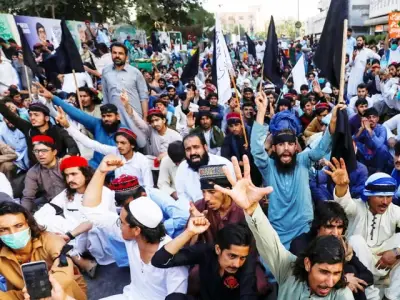
Jamaat-e-Islami Announces Jirgas in Major Balochistan Cities to Tackle Ongoing Crisis
In a significant move aimed at addressing the deepening political and security crisis in Balochistan, the Jamaat-e-Islami (JI) has unveiled plans to organize a series of jirgas, or traditional councils, across the province's major urban centers. This initiative seeks to foster inclusive dialogue and propose actionable solutions to the multifaceted challenges plaguing the region.
Details of the Jirga Initiative
The JI leadership has confirmed that these jirgas will be held in key cities including Quetta, the provincial capital, as well as Turbat, Gwadar, and Khuzdar. Each jirga is designed to bring together a diverse array of stakeholders, such as local elders, political representatives, civil society activists, and youth leaders, to engage in constructive discussions on the pressing issues facing Balochistan.
The primary objectives of these gatherings are to:

- Facilitate open and transparent dialogue on the root causes of the crisis, including governance failures, economic disparities, and security concerns.
- Develop consensus-based recommendations for policy reforms and immediate interventions to alleviate the suffering of the local population.
- Strengthen community cohesion and trust in democratic processes by involving grassroots voices in decision-making.
Context of the Balochistan Crisis
Balochistan has been grappling with a prolonged crisis characterized by political instability, economic underdevelopment, and sporadic incidents of violence. The province, rich in natural resources, has often reported grievances related to marginalization, lack of infrastructure, and inadequate representation in national affairs. Recent months have seen heightened tensions, with calls for greater autonomy and improved living conditions becoming more vocal.
The JI's decision to organize jirgas comes at a critical juncture, as traditional mechanisms of conflict resolution are being revived to complement formal political channels. This approach underscores the party's commitment to leveraging cultural practices to bridge divides and promote peace.
Expected Outcomes and Broader Implications
By convening these jirgas, the JI aims to not only address immediate concerns but also lay the groundwork for sustainable development and stability in Balochistan. The outcomes are anticipated to include a set of prioritized demands and policy proposals that will be presented to both provincial and federal authorities for implementation.
Moreover, this initiative could set a precedent for other political and social organizations to adopt similar participatory methods in crisis management. It highlights the potential of traditional institutions in modern governance, especially in regions where formal systems have struggled to gain traction.
As preparations for the jirgas advance, stakeholders across Balochistan are expressing cautious optimism, hoping that this effort will translate into tangible improvements in security, economic opportunities, and political representation for the province's residents.