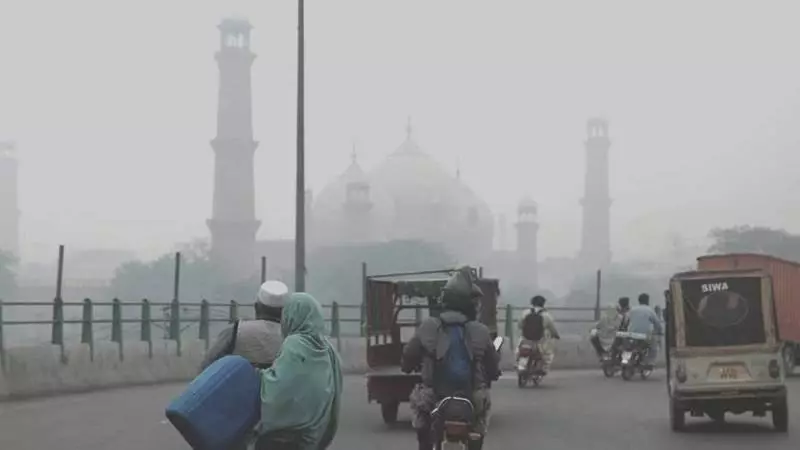
Lahore and several major cities across Punjab province are grappling with an unprecedented smog crisis, recording hazardous air quality levels that have prompted urgent government action and health warnings. The severe pollution episode has transformed the region into one of the most polluted areas globally, with dire consequences for public health and daily life.
Dangerous Air Quality Readings Across Punjab
The Environmental Protection Department confirmed that multiple urban centers registered extremely dangerous Air Quality Index (AQI) values. Lahore recorded an alarming AQI of 450, placing it firmly in the hazardous category where the air poses serious health risks to all residents, not just vulnerable groups.
Other major cities showed similarly concerning readings. Gujranwala reached 380 AQI, while Faisalabad hit 350 AQI, both falling within the very unhealthy range where everyone may experience more serious health effects. The widespread nature of the pollution event indicates a regional environmental emergency affecting millions of citizens across Punjab.

Immediate Government Response and Public Health Measures
Provincial authorities have implemented emergency measures to address the escalating crisis. The Punjab government has announced the closure of all schools for two days to protect children from exposure to the toxic air. This precautionary measure aims to prevent the young population from developing respiratory complications and other pollution-related health issues.
Additionally, the government has restricted outdoor activities and sports in affected areas. Public health officials are advising residents, particularly children, elderly citizens, and individuals with pre-existing respiratory conditions, to remain indoors as much as possible and use high-quality face masks when venturing outside.
The smog conditions have significantly reduced visibility across the region, creating hazardous driving conditions. Motorists are being advised to exercise extreme caution, use fog lights, and avoid unnecessary travel during peak smog hours in early morning and late evening.
Health Impacts and Medical Community Concerns
Medical professionals across Punjab are reporting a sharp increase in patients complaining of smog-related health problems. Hospitals and clinics are seeing more cases of respiratory distress, eye irritation, throat infections, and asthma attacks directly linked to the poor air quality.
Doctors emphasize that exposure to such high levels of particulate matter can have both immediate and long-term health consequences. The microscopic pollutants can penetrate deep into lungs and bloodstream, potentially causing or exacerbating cardiovascular and respiratory diseases. Vulnerable populations including children, elderly residents, and those with compromised immune systems face the highest risks.
Healthcare providers recommend that residents experiencing persistent coughing, breathing difficulties, chest tightness, or eye irritation seek medical attention promptly rather than dismissing these as minor discomforts.
Environmental Factors and Long-term Solutions
Environmental experts attribute the severe smog conditions to a combination of factors including vehicle emissions, industrial pollution, crop burning, and unfavorable meteorological conditions. The winter season typically brings temperature inversions that trap pollutants close to the ground, preventing their dispersion and creating the dense smog blankets now affecting the region.
While immediate measures address the current emergency, environmental advocates stress the need for comprehensive long-term strategies. These include transitioning to cleaner transportation options, implementing stricter industrial emission controls, promoting sustainable agricultural practices, and enhancing green spaces in urban areas.
The current smog crisis in Punjab serves as a stark reminder of the urgent need for coordinated environmental protection efforts and sustainable development policies to ensure breathable air for future generations.