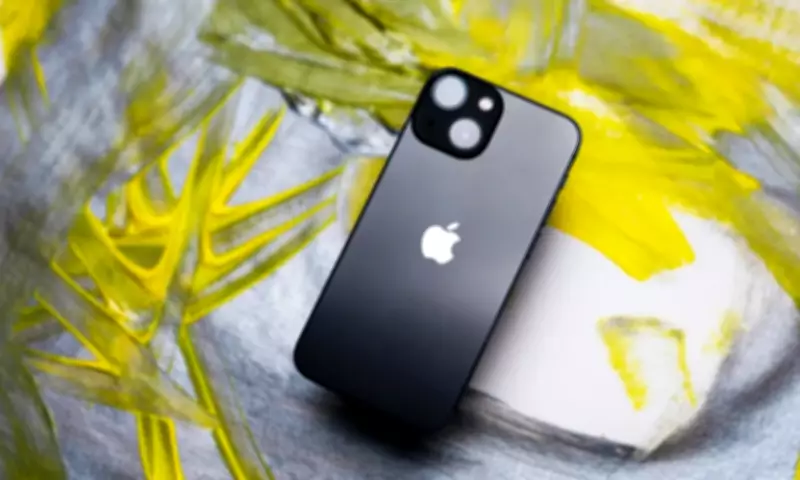
It's not the Mini, it's me. Nearly five years after its launch, the 13 Mini remains the best phone ever made. That hasn't changed; I have changed. And as painful as it is to admit, after using it again for a couple of weeks, I think it's time to put my iPhone 13 Mini to rest.
The Mini is an underdog, an outlier. It's a quirky little phone that Apple attempted to sell twice, failed, and then abandoned. Picking it up after using any modern phone, it feels laughably small. A tiny baby phone in a world of Maxes and Ultras. But small phones have their charm. I can use the Mini one-handed without stretching my thumb across the screen. It fits in my coat pocket so I forget it's there. It slides into my jeans front pocket or an evening clutch with room to spare. They simply don't make them like that anymore. The Samsung Galaxy S26, the smallest mainstream Android phone available, is a full 18mm taller than the Mini.
A Surprisingly Complete Package
The 13 Mini was already over a year outdated when I bought it in 2023. When Apple introduced the iPhone 14 lineup in fall 2022 without a Mini successor, I knew it was my last chance to buy a new small phone before they disappeared. This proved true. Despite its size, the Mini is a surprisingly complete package. It has MagSafe, something the newer 16E lacks. It includes an ultrawide camera, absent from the brand-new iPhone Air. And my favorite feature is a throwback: a physical SIM tray. This has been one of its most valuable assets, acting as a bridge when switching between Android phones with physical SIMs and eSIM-only iPhones. The most reliable method I've found is putting my physical SIM in the 13 Mini, converting it to an eSIM, and transferring it to a new iPhone. Is this a weird, niche reason to love a phone? Yes, but the Mini is a weird, niche phone.

The Inevitable Decline
I realized a few weeks ago that I hadn't used my Mini for a significant stretch in months. When testing phones, I go all in, using them as my only device. I usually enjoy the Mini as a treat between reviews, but it was gathering dust. I'd been busy testing other phones, but also delaying the inevitable reckoning with my Mini's mortality. My suspicion was correct: this Mini's time has come. Surprisingly, its tiny screen isn't my main issue. It's the battery. My 13 Mini reports 97 percent battery capacity, but it barely lasts a full day, even at home on Wi-Fi. On a work trip, I had to plug it in as soon as I reached my hotel room. I can't tolerate battery anxiety. I'd like to blame Liquid Glass for draining the battery, but I think the real culprit is me. I've adapted to big phones with big batteries, committing battery crimes: leaving the screen on while cooking, creating hotspots instead of asking for Wi-Fi passwords, and watching more video than ever. Big phones have turned me into a monster.
The Lightning Cable Problem
The 13 Mini's Lightning port isn't usually an issue. I charge via MagSafe and use wireless earbuds. But CarPlay requires a USB-C cable, and emergency charging cables or wired earbuds are now USB-C. I've misplaced my Lightning headphone adapter. The convenience of one cable for all phones I test makes tracking down Lightning accessories feel like a step backward.
Letting Go, But Not Forgetting
Still, the Mini means too much to simply discard. I won't trade it in for a pittance. I'll keep using it occasionally, during lulls between work trips. It will faithfully convert physical SIMs until Apple stops providing OS updates. Some of the Mini's qualities live on in the iPhone Air, though its 6.5-inch screen is hardly small. Smaller players like Unihertz keep the small-phone dream alive, but I doubt we'll see anything like the Mini from a major manufacturer anytime soon. When it's time to fully retire mine, I have the perfect place: on a shelf next to my pink 4GB iPod Mini. They just don't make them like they used to.