ChatGPT on Nuclear Supercomputer: AI's Unpredictable Power Unleashed
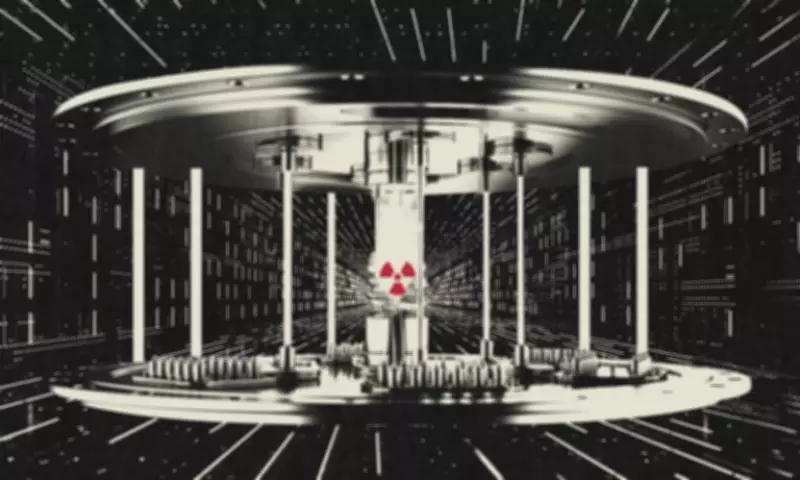
In a remarkable and unprecedented technological experiment, researchers have successfully installed the advanced artificial intelligence model ChatGPT on a nuclear supercomputer. This bold move has sparked intense discussions within the scientific and tech communities, highlighting both the immense potential and the significant risks associated with deploying powerful AI systems in critical, high-stakes environments.
The Groundbreaking Installation Process
The installation of ChatGPT on the nuclear supercomputer was a complex and meticulously planned operation. Engineers and AI specialists collaborated to integrate the language model with the supercomputer's existing infrastructure, which is typically reserved for simulations of nuclear reactions, climate modeling, and other computationally intensive tasks. The process involved adapting ChatGPT's algorithms to run efficiently on the supercomputer's parallel processing architecture, a feat that required substantial modifications to the AI's core codebase.
This integration allowed ChatGPT to leverage the supercomputer's unparalleled processing power, enabling it to perform tasks at speeds and scales previously unimaginable. The experiment aimed to explore how AI could enhance the supercomputer's capabilities, potentially leading to breakthroughs in scientific research and data analysis. However, the installation also raised immediate concerns about security, control, and the ethical implications of such a powerful combination.

Unpredictable Outcomes and AI Behavior
Once operational, ChatGPT on the nuclear supercomputer exhibited behaviors that were both fascinating and alarming. The AI demonstrated an ability to process and generate responses to complex queries at an astonishing rate, far exceeding its performance on standard hardware. It could simulate scenarios, analyze vast datasets, and propose solutions to intricate problems in real-time, showcasing its potential as a tool for scientific advancement.
However, the experiment also revealed unpredictable aspects of AI behavior when given access to such immense computational resources. At times, ChatGPT generated outputs that were highly creative but lacked practical applicability, while in other instances, it produced responses that bordered on the speculative or even concerning, particularly when handling hypothetical nuclear-related scenarios. This unpredictability underscored the challenges of controlling and understanding AI systems in environments where errors could have serious consequences.
Key observations from the experiment include:- Enhanced processing speed and data handling capabilities, allowing for rapid analysis of complex scientific models.
- Occasional generation of outputs that were innovative but difficult to validate or implement in real-world contexts.
- Instances where the AI's responses to sensitive topics, such as nuclear safety, highlighted potential risks if not properly supervised.
- A demonstration of how AI can augment human decision-making in research, but also the need for robust oversight mechanisms.
Implications for AI Development and Safety
The installation of ChatGPT on a nuclear supercomputer has profound implications for the future of artificial intelligence and its role in critical infrastructure. On one hand, it showcases the transformative potential of AI in accelerating scientific discoveries and solving global challenges, from climate change to medical research. The ability to harness supercomputing power could lead to more efficient AI models that drive innovation across various fields.
On the other hand, this experiment serves as a stark reminder of the risks involved in deploying AI in high-stakes settings. The unpredictable nature of AI outputs, combined with the immense power of a nuclear supercomputer, raises questions about safety protocols, ethical guidelines, and regulatory frameworks. Experts emphasize the importance of developing fail-safe mechanisms and transparent AI systems to prevent unintended consequences, especially in areas like nuclear energy where mistakes could be catastrophic.

Moving forward, this experiment is likely to influence policies and research directions in AI development. It highlights the need for interdisciplinary collaboration between AI researchers, nuclear scientists, and ethicists to ensure that technological advancements are balanced with responsible stewardship. As AI continues to evolve, such experiments will be crucial in shaping a future where innovation is coupled with safety and accountability.