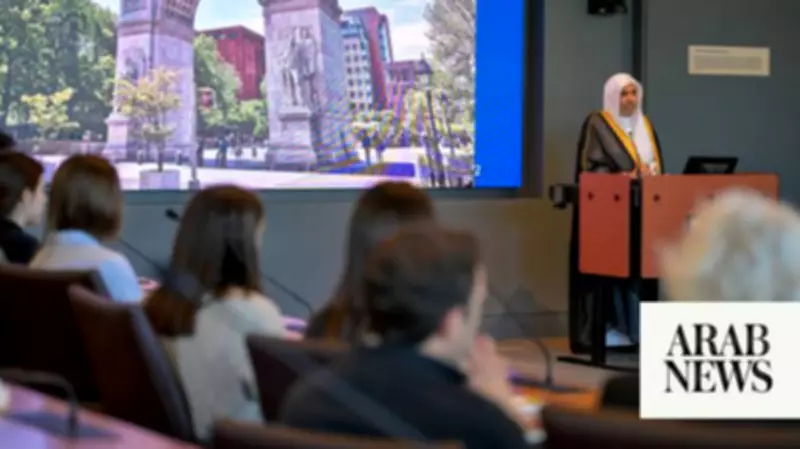
New York University recently hosted Sheikh Mohammed bin Abdul Karim Al-Issa, the secretary-general of the Muslim World League, for an insightful lecture and discussion on the role of artificial intelligence in amplifying hate speech on social media platforms. The event, held on Saturday, brought together academics and invited guests to examine the complex challenges associated with AI-generated content, online extremism, and the spread of misinformation.
Key Topics Discussed
The discussions focused on how artificial intelligence can be used to automatically generate text, images, and videos containing discriminatory or inflammatory material. Participants also explored how algorithms target users with divisive content designed to maximize engagement. Additionally, the role of bots and coordinated digital networks in spreading hate speech and misleading information was examined, alongside the growing use of deepfake technology to manipulate audio and visual content in ways that could incite hostility against individuals or communities.
Al-Issa's Remarks
Al-Issa highlighted the role of social and religious institutions in countering hate speech, emphasizing the importance of understanding its causes and developing effective responses based on research and studies. He warned that recommendation algorithms on social media platforms can contribute to the spread of provocative and extremist content because such material often generates high levels of interaction. Commenting on the legal implications, Al-Issa stated that the use of AI to promote hate speech raises important questions about balancing freedom of expression with the need to protect societies from incitement and harmful content. He added that the issue requires greater clarity regarding the legal responsibilities of digital actors and technology platforms.