Samsung Executives Grapple with AI Deepfake Concerns, Offer No Concrete Solutions
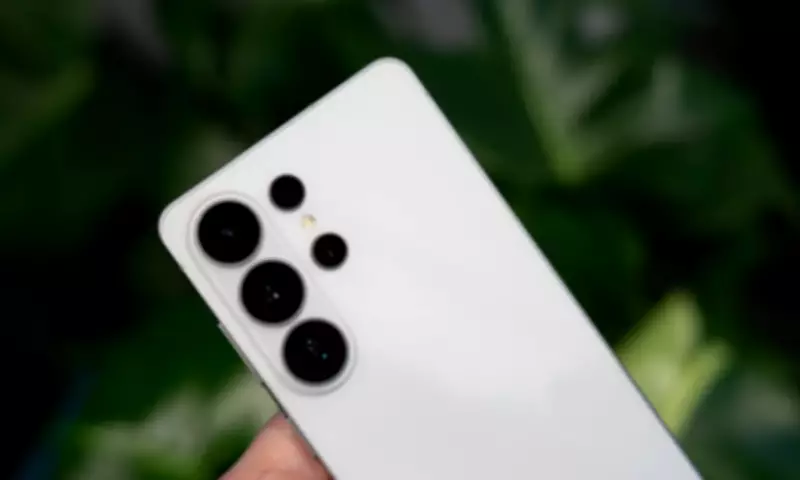
On Thursday morning, a journalist attended a Q&A panel featuring four top Samsung smartphone executives. Samsung, which was the world's largest smartphone manufacturer until 2025 and remains the second largest after Apple, also holds a significant position as a major camera maker due to its device sales.
The Critical Question on AI and Reality
When handed the microphone first, the journalist posed a pressing question about the societal divide regarding AI in photography. On one side, users desire impressive AI enhancements for photos and videos. On the other, concerns are mounting that AI manipulation is eroding trust in photographic evidence and destroying the ability to believe in visual reality.
The journalist highlighted the failure of metadata tools like C2PA to stem the tide of AI-generated images and asked if Samsung had any new and different ideas to prevent AI images from dominating the world.

Samsung's Vague and Inadequate Responses
The four Samsung executives did not present any novel solutions. Won-Joon Choi, the mobile division's COO and R&D chief, deserves credit for not dodging the question. He admitted that the erosion of reality is a problem and expressed a desire to fix it.
However, Choi and other executives suggested that Samsung must balance the need for photographic reality with allowing smartphone buyers to be more creative. They passed responsibility by framing it as an industry-wide issue requiring broader conversation.
Choi stated, We recognize the issue, because a lot of content is generated by AI. On the one hand, people want to be more creative, so we believe we have to provide a solution so people can be more creative. On the other hand, it's really hard nowadays to distinguish the real photos and videos from the fake ones. I think this is a problem, we recognize that, and I think it's a problem we have to solve at an industry level.
Reliance on Ineffective Measures
Samsung pointed to its implementation of watermarks on AI-generated images as a partial solution, despite these watermarks being easily removable. Choi defended C2PA, saying, The C2PA, you may view it as a failure, but it's still enough to provide a mechanism if people want to validate that those pictures and videos are made by AI. I think we have to provide a mechanism so people can use it. I think it's an ongoing effort throughout the industry to solve this problem.
This rhetoric of the industry will solve this together is increasingly seen as a substitute for meaningful action, raising worries about genuine progress.
Business Priorities Over Social Responsibility
Dave Das, a Samsung America executive, chimed in, admitting the company is still learning about acceptable AI use in its own ads. He said, We're trying to discern what is the right place to use it, and absolutely how to be very clear about when we are using AI generated content vs naturally generated content.
Yet, Das framed this as a balancing act between business priorities rather than a social responsibility, emphasizing giving the creator choice and finding the right balance.
Consumer Concerns and Future Perceptions
Later, KTLA-TV tech reporter Rich DeMuro asked if Samsung might make it easier for customers to remove AI watermarks from generated photos, such as for Christmas cards. Drew Blackard, Samsung America's SVP of mobile product management, responded that if consumers desire watermark removal and other authenticity methods exist, Samsung would accommodate both.
Blackard noted, At least right now, there's enough concern from consumers around authenticity that that's the primary thing we've solved for, in terms of the watermarking both in the metadata and on the photo itself. Not all services do that.
He also speculated that perceptions of AI-generated content might become more favorable over time, similar to how user-generated content gained acceptance. However, this overlooks potential negative shifts, such as job losses due to cheap AI production or increased fraud from unreliable evidence.

The Unaddressed Risks
The journalist wonders if Samsung and other smartphone makers have considered that perceptions might turn against them for contributing to a flood of AI slop. Without proactive, industry-level solutions before the dam breaks, the erosion of trust in visual media could have severe societal consequences, challenging the very concept of recorded evidence.