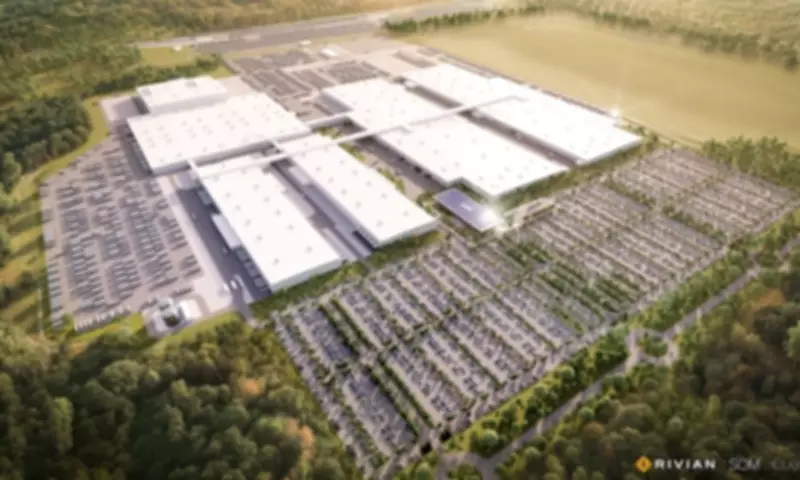
Rivian Automotive has significantly scaled back its production goals for its planned electric vehicle factory in Georgia, according to recent reports. The company initially aimed for an annual production capacity of 400,000 vehicles at the site, but now expects to produce around 200,000 to 300,000 units per year. This downsizing reflects broader challenges in the EV market, including rising costs and supply chain constraints.
Reasons for the Reduction
The decision to reduce capacity is part of Rivian's strategy to conserve cash and focus on profitability. The company has faced financial pressures, including losses and a slowdown in demand for electric vehicles. By scaling back the Georgia plant, Rivian aims to align production with market demand and reduce capital expenditure. CEO RJ Scaringe emphasized that the company is taking a cautious approach to expansion.
Impact on Operations
The revised plans will not affect Rivian's existing production facility in Normal, Illinois, which continues to produce the R1T pickup and R1S SUV. However, the Georgia plant, which was expected to create thousands of jobs, will now have a slower ramp-up. Construction is still underway, but the timeline for full production may be extended. Rivian is also exploring federal and state incentives to support the project.

- Original capacity target: 400,000 vehicles annually
- New capacity target: 200,000-300,000 vehicles annually
- Reason: Cost savings and market alignment
Market Context
The EV industry is experiencing a period of adjustment, with many automakers revising their production targets. Rising interest rates and inflation have dampened consumer demand, while supply chain issues persist. Rivian's move mirrors similar actions by competitors like Ford and Tesla, who have also adjusted their EV production plans. Despite the scale-back, Rivian remains committed to its long-term growth strategy.