Massive Fraud in Badin's School Specific Budget
BADIN: A large-scale fraud has emerged in Badin involving the School Specific Budget, where a so-called "vendor mafia" has colluded with the Treasury Office and the Education Department to pass fake bills worth millions of rupees. According to sources, active agents have prepared fake letterheads, stamps, and vouchers for bogus vendor companies, getting bills worth millions approved without any actual purchases.
Local residents and sources claim that most schools have not made any real purchases so far. The School Specific Budget was introduced by Sindh Education Minister Syed Sardar Shah. Education circles allege that it is becoming a "gold mine" for the mafia.
Background of the Budget
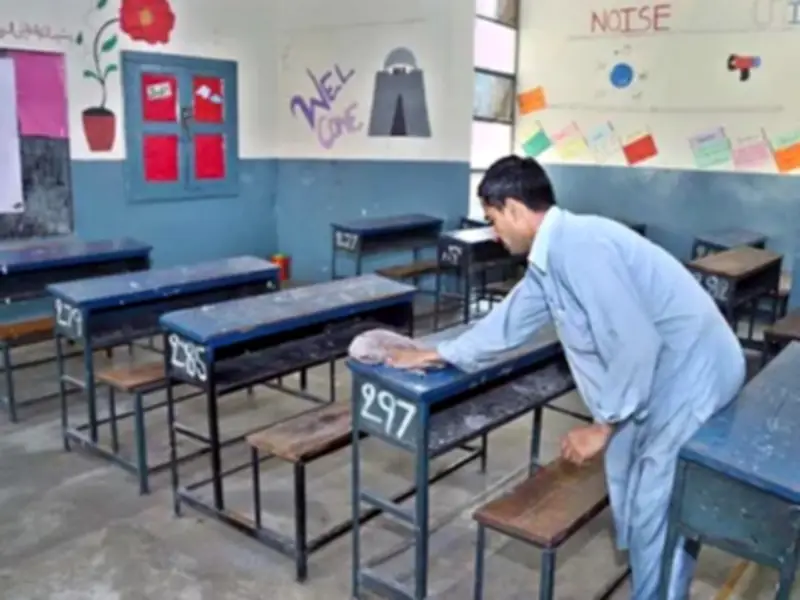
The Sindh Education Department had earlier issued a letter directing that funds allocated under the School Specific Budget be fully utilized and that all bills be submitted to the relevant district accounts offices before June 10, 2026. For the current financial year, the Sindh government allocated a total of Rs18.67 billion to 34,106 public schools under this budget. The funds are meant for school repairs, furniture, stationery, electricity, water, sanitation, and other necessities.

Concerns Over Rushed Spending
Finance and education experts say that transparent use of public funds requires planning, market surveys, quotations, procurement rules, and proper documentation, which takes time. They warn that the pressure to spend all funds in a short period raises concerns about irregularities, substandard purchases, overbilling, and other financial violations.
Demands for Transparency
Education stakeholders have demanded that the Sindh Education Department make public the total funds released under the School Specific Budget, the dates of release, district-wise distribution, and expenditures so far to ensure transparency and answer questions about the use of public money. Experts also suggest that instead of rushing to spend funds at the end of the fiscal year, a year-round, phased monitoring and expenditure system would be more effective and transparent, benefiting public schools in real terms.