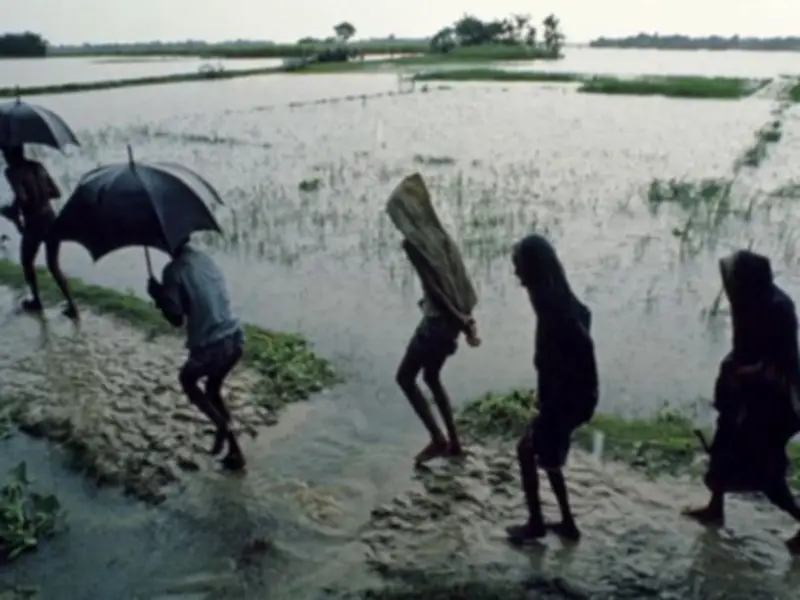
ISLAMABAD: Experts have cautioned that an uncertain monsoon pattern could pose risks to Pakistan's agricultural sector and broader economic stability, emphasising the need for proactive climate risk management during a policy dialogue hosted by the Pakistan Institute of Development Economics (PIDE).
Climate Change as Economic Challenge
PIDE Registrar Dr Nasir Iqbal said climate change had emerged as a cross-cutting economic challenge affecting productivity, inflation, employment and growth, with disruptions in monsoon patterns having wide-ranging implications for agriculture-dependent livelihoods. Agriculture contributes over 23% to the national economy yet remains highly exposed to climate variability.
Regional Vulnerabilities
Dr Inayat Ullah, Chief of Research at PIDE's Centre for Agriculture, Climate Change and Rural Economy, said rising temperatures and changing rainfall patterns were particularly affecting rain-fed and southern irrigated regions.

Weather Outlook
Dr Faisal Saeed, Chief Meteorologist at the Pakistan Meteorological Department, said seasonal outlooks indicated above-normal temperatures and the possibility of below-average rainfall, though extreme weather events remained possible.
Economic Losses and Adaptation
Dr Kamal Ahmed of NDMA highlighted that economic losses from climate events were rising due to gaps in preparedness. Experts pointed to a significant gap in adaptation financing and stressed investment in resilience-building initiatives, including agricultural insurance.
Dr Mohsin Kiani noted the livestock sector remained vulnerable to heat stress, disease and flooding, suggesting the adoption of climate-smart feeding practices and expansion of insurance coverage.
Way Forward
Participants agreed on the need for strengthening institutional coordination, promoting research and ensuring effective policy implementation at all levels.