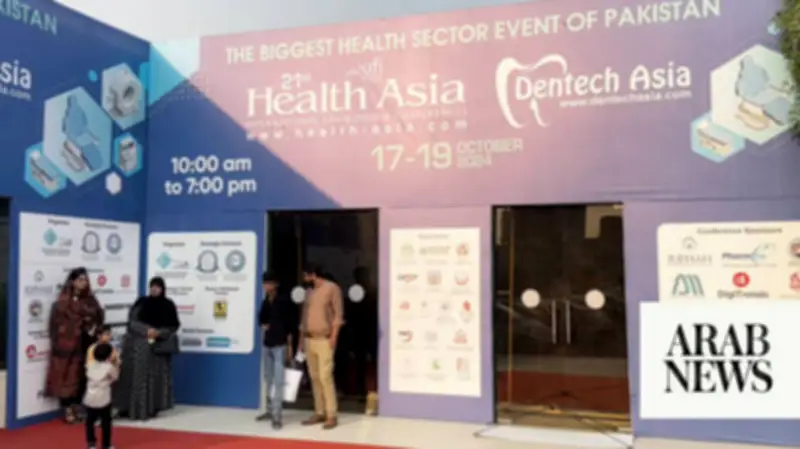
The southern Pakistani city of Karachi is set to host the Pakistan-China Pharmaceutical and Healthcare Investment Conference from July 16 to 19, an official from the country's Special Investment Facilitation Council (SIFC) announced on Thursday. This development comes as Pakistan pursues economic stabilization under a $7 billion International Monetary Fund (IMF) program, with policymakers increasingly focusing on reviving industrial activity, attracting investment, and boosting exports.
Focus Areas of the Conference
According to Jamil Qureshi, federal secretary for the SIFC and the Board of Investment, the conference will concentrate on application programming interfaces (APIs), vaccines, biologics, medical devices, clinical research, and allied pharmaceutical manufacturing. The event is expected to see strong participation from leading Chinese pharmaceutical, medical instrument manufacturing, and healthcare firms. Pakistani officials have prepared several large-scale bankable investment projects for the occasion.
Investment Transformation
“SIFC is not just hosting an event, it is enabling investment transformation,” Qureshi said on social media platform X. He added that business-to-business (B2B) matchmaking and structured investor-industry engagements are already underway in preparation for the conference. China remains a major ally and investor in Pakistan, having pledged over $65 billion in investment in road, infrastructure, and development projects under the China-Pakistan Economic Corridor (CPEC). Additionally, several Chinese private sector manufacturers have undertaken joint ventures in the South Asian country.

Recent Developments
Last month, Prime Minister Shehbaz Sharif invited Chinese companies to expand investment in Pakistan's renewable energy and electric vehicle sectors, following his meetings with leading corporate executives in Hangzhou. Pakistan offers investors attractive incentives, a strategic geographic location connecting South Asia, Central Asia, and the Middle East, and a large consumer market of over 240 million people.