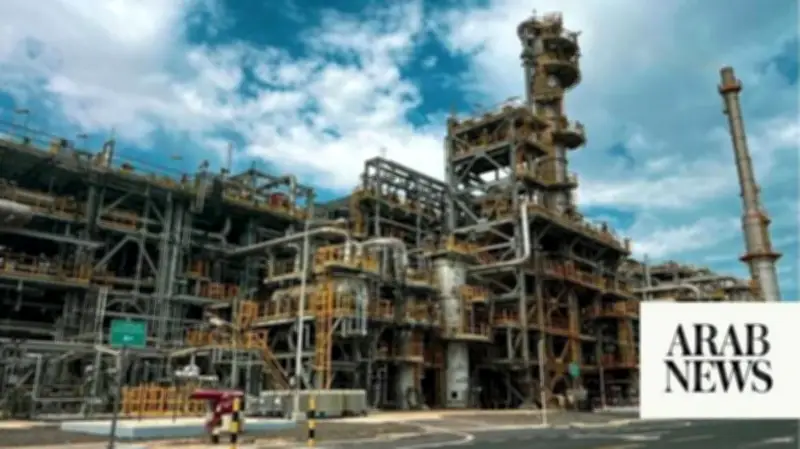
Kuwait Petroleum Corp. (KPC) CEO Nawaf Al-Sabah announced that Kuwait can restore 80% of its oil production disrupted by the Iran war within a month, with the remaining 20% expected to return within three to four months. The comments were made during a panel discussion at the Atlantic Council's Global Energy Forum in Washington, D.C.
Production Decline and Recovery
The conflict in the region has severely impacted Kuwait's oil sector, resulting in the second-largest production decline in the region after Iran. Bloomberg reported that the Gulf state's production fell by 310,000 barrels per day to 490,000 bpd, which is less than one-fifth of pre-war levels. Al-Sabah noted that Kuwait had deliberately reduced production at the start of the war to the minimum necessary for domestic consumption, redirecting some refined products to Gulf markets and creating a "mini-economy" within the region.
Infrastructure and Cooperation
Al-Sabah stated that discussions are underway with Saudi Arabia and the UAE to expand their pipeline systems to accommodate Kuwaiti oil exports. The Saudi oil pipeline to the Red Sea coast provides capacity for up to 70% of the Kingdom's regular exports. Amin Nasser, CEO of Saudi Aramco, confirmed last month that the Kingdom is exploring ways to expand export capacity at its west coast ports. The UAE has a pipeline from Abu Dhabi to Fujairah, outside the Strait of Hormuz, and ADNOC is constructing another crude oil pipeline to double export capacity, with potential connections for refined products.

Oil Prices and Market Stability
Al-Sabah pointed out that current oil prices are not among the highest in history when adjusted for inflation. The Iran-Iraq War and the near-complete halt to shipping in the Strait of Hormuz caused prices to surge to over $140 per barrel, from around $60 before the war. Over the past three months, prices have fluctuated sharply, currently stabilizing around $91 per barrel amid hopes for a peace agreement. Al-Sabah added that current market stability is due to temporary factors such as the release of strategic reserves and a slowdown in global demand, which are not sustainable long-term solutions.
The Gulf Cooperation Council is working on a collective vision to address challenges and build on the experience gained during the conflict.