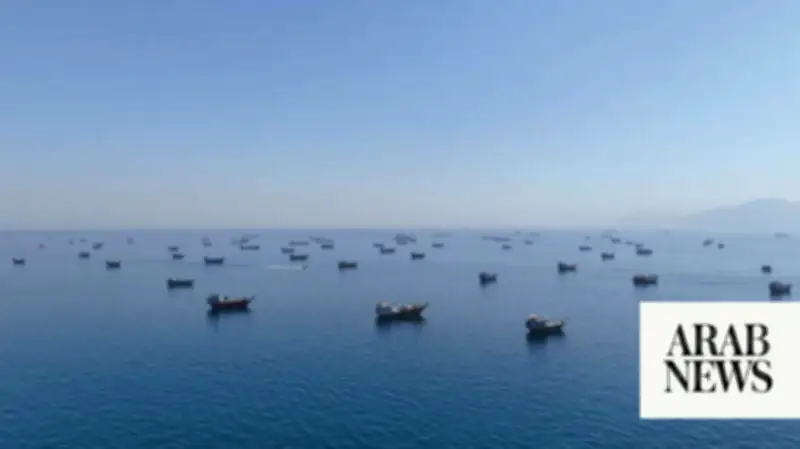
US Energy Secretary Chris Wright announced on Tuesday that ship traffic in the Gulf and oil exports through the Strait of Hormuz are on the rise, even as Washington and Tehran struggle to reach a peace deal to end their conflict that has lasted over three months.
Rising Traffic and Exports
Speaking at an Atlantic Council conference, Wright stated that ship traffic through the strait has increased significantly compared to a week or two ago. He emphasized that oil exports via the strait and the Gulf have risen and are expected to continue rising. However, he cautioned that it would take many months to restore normal flows of energy and critical materials such as sulfur, helium, and lubricants once a lasting peace is achieved.
Background of the Conflict
Vessel movements through the Strait of Hormuz have been largely blocked since US and Israeli strikes on Iran in late February, disrupting approximately 20 percent of global oil and liquefied natural gas supplies. Despite the blockade, some vessels have resumed transiting the narrow waterway bordering Iran, often with transponders turned off and under cover of darkness.

Economic and Political Impact
The disruptions have caused a surge in global energy prices, affecting economies worldwide and creating a political vulnerability for US President Donald Trump and his Republican party ahead of the midterm elections in November. Washington has been pushing for a peace deal with Tehran that includes a full reopening of the strait.
Market Reactions
Global Brent oil prices fell more than 3 percent on Tuesday to $91.34 a barrel after Iran and Israel halted strikes on each other, following an appeal from Trump. However, both sides warned they could resume hostilities. Wright noted that oil prices have not risen more during the war partly because global inventories, especially in China, were higher than anticipated. He pointed out that China's oil imports fell by about 4 million barrels per day in May as the country drew down inventories, but added that this change does not represent price-driven demand destruction.