Saudi Aramco, a global leader in the energy sector, executes complex projects involving extensive pipelines, valves, mechanical systems, and field equipment that must operate safely under pressure. While the public sees oil and gas infrastructure, a critical chain of inspection work determines whether systems are ready, reliable, and safe. Pipeline safety begins long before operation—starting when materials arrive on site, pipes are checked against drawings, valves are tested, and every installation stage is inspected. A wrong material, weak joint, missing document, or failed pressure test can cause delays, rework, leakage risks, or serious safety concerns. Thus, safety depends not only on design but also on meticulous quality checks at every stage.
Role of Aijaz Ali in Saudi Aramco Projects
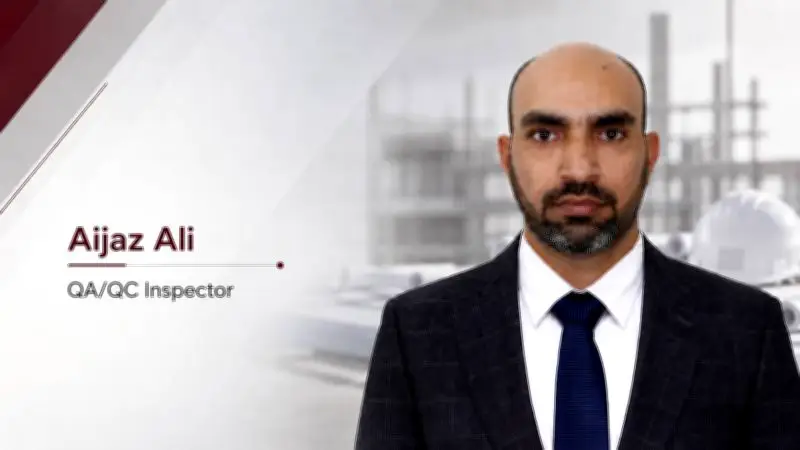
Against this backdrop, Aijaz Ali, a Pakistani QA/QC Inspector working in Dammam, Saudi Arabia, focuses on quality inspection and compliance assurance for mechanical, piping, and pipeline systems. His work ensures that site activities match approved drawings, project specifications, safety requirements, and inspection plans. With over ten years of international experience, Ali has worked on hydro testing of pipes and valves, RTR and non-metallic pipe inspection, material receiving, fabrication checks, valve inspection, installation inspection, and pipeline-related quality documentation. His approvals connected with Saudi Aramco projects reflect the technical discipline required in environments where every inspection point matters.
Inspection Process and Safety Compliance
Before a pipeline system can safely carry pressure, someone must confirm that correct materials were used, installation followed correct drawings, test equipment was calibrated, and the pressure test was properly witnessed. In this process, Ali handles work supporting both safety and compliance. His role includes checking material certificates, verifying traceability, coordinating inspection requests, identifying non-conformances, and ensuring required hold points are followed before the next stage begins. In large energy projects, quality is not proven by one final approval; it is built through repeated checks, clear documentation, and discipline at site.

Contribution of Pakistani Professionals in Gulf
At a time when Pakistani professionals continue to work across important engineering and industrial roles in the Gulf, Ali's work offers a grounded example of how technical inspection contributes to safer project delivery. His contribution is not about public visibility but about careful checks that help major pipeline projects move forward with greater confidence, safety, and compliance. According to industry standards, such rigorous inspection processes are vital to prevent catastrophic failures and ensure operational integrity.