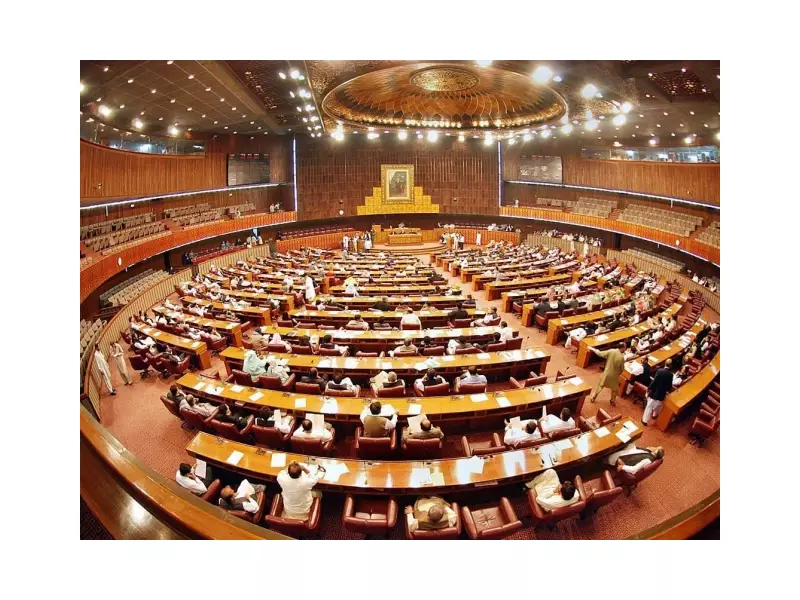
In a significant move aimed at revitalizing the country's economic landscape, the Senate of Pakistan has given its official nod to a pivotal piece of legislation concerning agricultural trade. The upper house passed the Agricultural Trade Bill 2024 on Tuesday, setting the stage for a major overhaul in how the nation manages and promotes its farm-related exports.
Key Provisions of the New Agricultural Trade Bill
The newly approved bill is designed to create a structured and efficient framework for boosting Pakistan's agricultural exports. A central feature of the legislation is the establishment of a dedicated Agricultural Trade Development and Regulatory Authority. This body will be tasked with the critical role of streamlining export processes, implementing strategic policies, and ensuring that Pakistani agricultural products meet international standards to compete more effectively in global markets.
The legislative process saw the bill presented by Minister for National Food Security and Research, Rana Tanveer Hussain. Following presentation, it was referred to the relevant standing committee for detailed review. After incorporating necessary feedback and amendments, the committee returned the bill to the Senate floor, where it was ultimately passed, signaling cross-party support for its core objectives.

Political Debate and Emphasis on Farmer Welfare
The passage of the bill was not without its moments of political discourse. Senator Dilawar Khan, while participating in the discussion, took the opportunity to critique the overall economic policies of the current government. He highlighted the severe pressures faced by the common citizen due to rising inflation.
In response, Minister Rana Tanveer Hussain defended the government's trajectory, asserting that the economy is on a path to recovery and stability. He emphasized that the Agricultural Trade Bill 2024 is a concrete step in that direction, specifically crafted to enhance the sector's profitability and sustainability. A recurring theme in the minister's arguments was the bill's potential to directly benefit the farming community, aiming to increase their income by providing better access to international markets and reducing bureaucratic hurdles.
Implications for Pakistan's Economy and Agricultural Sector
The successful passage of this bill in the Senate represents a major legislative milestone. Proponents argue that by creating a specialized regulatory authority, the government can foster a more conducive environment for agricultural trade. This is expected to lead to increased export volumes, higher foreign exchange earnings, and ultimately, a stronger national economy.
The focus on farmer welfare is a crucial aspect of the bill's intent. By aiming to connect farmers directly with global market opportunities and ensuring fair trade practices, the legislation seeks to improve the livelihoods of millions involved in agriculture, which remains the backbone of Pakistan's economy. The move is widely seen as an essential effort to modernize the agricultural export mechanism and harness the sector's full potential for national growth.
With the Senate's approval secured, the bill now moves forward in the legislative pipeline, bringing the vision of a more robust and regulated agricultural trade regime one step closer to reality.