Syria is preparing to convert a memorandum of understanding signed with American company ConocoPhillips into final contracts for gas development and exploration within the next few days, according to Syrian Energy Minister Mohammed Al-Bashir.
Meetings with US energy giants
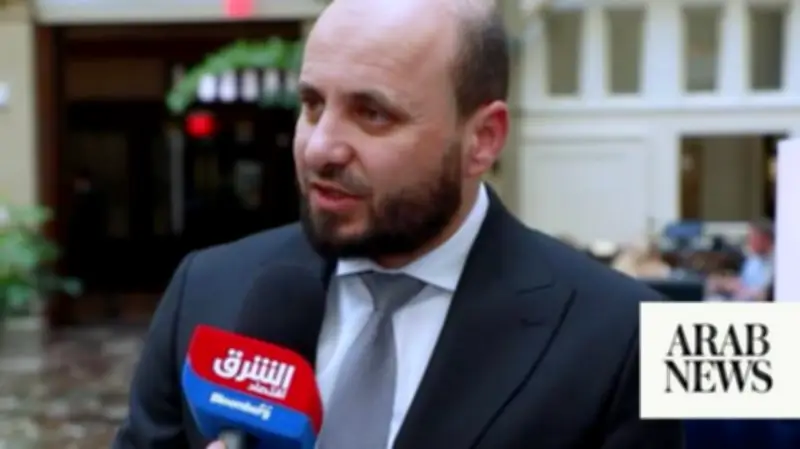
Speaking on the sidelines of the Global Energy Forum in Washington, Al-Bashir told Asharq that his country met with major American energy companies, all of which have a strong desire to work in Syria.
“We met with major American energy companies such as Chevron, ExxonMobil, and ConocoPhillips. All the companies have a strong desire to work in Syria, and we have signed a memorandum of understanding with the latter, and within a few days, we will sign a contract with them for gas exploration and development in Syria,” he said.

Previous MoU and production targets
The state-owned Syrian Petroleum Co. signed a memorandum of understanding last November with American companies ConocoPhillips and Novaterra, aimed at developing the gas sector, increasing production from existing fields, and discovering new ones.
Syria’s state news agency quoted SPC CEO Youssef Qablawi as saying at the time that the memorandum would contribute to increasing production by between 4 million and 5 million cubic meters per day within one year of implementation, in addition to exploring a new field whose development would require approximately three years.
Broader efforts to revive energy sector
This step comes within Syria’s efforts to revive its energy sector and attract foreign investment. In recent months, the Syrian energy sector has seen the signing of agreements and memorandums of understanding with international and regional companies for the exploration and development of gas and oil fields, including US-based Chevron, Qatari International Power Holding, Qatar Energy, and UAE-based Dana Gas.
Impact of global energy crisis
Regarding the global energy shock, Al-Bashir noted that Syria has been affected by rising global oil and gas prices resulting from the war with Iran and disruption to navigation in the Strait of Hormuz, “given that it still imports its energy needs due to insufficient domestic production.”
Syria’s gas production has fallen from 30 million cubic meters per day before 2011 to 10 million cubic meters per day as a result of the war, a level that does not meet the country’s power station requirements of 18 million cubic meters per day.
Syria as energy transit corridor
Al-Bashir argued that the Hormuz Strait crisis has highlighted “Syria’s important position as a corridor for energy transit” from producing countries to the Mediterranean and onward to global markets.
In this context, the minister pointed to ongoing talks with Iraq regarding the rehabilitation of the Kirkuk–Baniyas pipeline and increasing its capacity to transport up to 1.5 million barrels per day through the Syrian coast to world markets.
He added that Iraq is already using Syrian territory to export approximately 250,000 barrels per day of fuel oil.