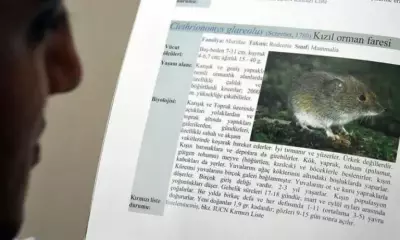
Health authorities and infectious disease specialists are moving to allay public fears following the emergence of several new cases of hantavirus infection in different regions. While the virus has garnered attention due to its severity and the recent uptick in reported infections, experts emphasize that the likelihood of a full-blown pandemic remains extremely low.
Understanding Hantavirus Transmission
Hantavirus is primarily transmitted to humans through contact with rodents, especially their droppings, urine, or saliva. Unlike respiratory viruses such as influenza or SARS-CoV-2, hantavirus does not spread efficiently from person to person. Dr. Amna Riaz, a virologist at the National Institute of Health, explained, 'The virus is not airborne in a way that facilitates easy human-to-human transmission. Most infections occur in rural or semi-urban settings where people come into direct contact with rodent-infested environments.'
Recent Cases Spark Concern
In recent weeks, a handful of hantavirus cases have been reported in parts of South Asia, including Pakistan. These cases have understandably raised alarms, given the virus's high mortality rate, which can exceed 30% in severe forms such as Hantavirus Pulmonary Syndrome (HPS). However, health officials stress that the absolute number of cases remains minuscule compared to common infectious diseases.

Expert Reassurance
Dr. Khalid Mahmood, a public health expert, stated, 'The risk of hantavirus becoming a global pandemic is virtually nonexistent under current conditions. The virus lacks the genetic makeup and transmission dynamics required for sustained human-to-human spread.' He further noted that while vigilance is necessary, panic is unwarranted. The World Health Organization (WHO) has not issued any travel advisories or elevated its alert level for hantavirus.
Preventive Measures and Public Awareness
To minimize risk, health authorities recommend the following precautions:
- Avoid direct contact with rodents and their habitats, especially in rural areas.
- Seal cracks and holes in homes to prevent rodent entry.
- Store food in rodent-proof containers.
- When cleaning areas with rodent droppings, use wet cleaning methods to avoid stirring up dust, and wear gloves and masks.
Public health campaigns are being intensified to educate communities about these measures. 'Awareness is our strongest tool,' added Dr. Riaz. 'People should know the symptoms—fever, muscle aches, and shortness of breath—and seek medical care promptly if they suspect exposure.'
Conclusion: Stay Informed, Not Alarmed
While hantavirus is a serious disease, the current situation does not warrant pandemic-level concern. By taking simple preventive steps and staying informed through official channels, the public can effectively mitigate risks. Health officials continue to monitor the situation closely and will provide updates as needed.