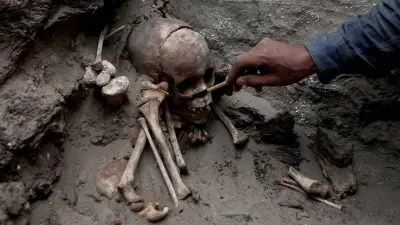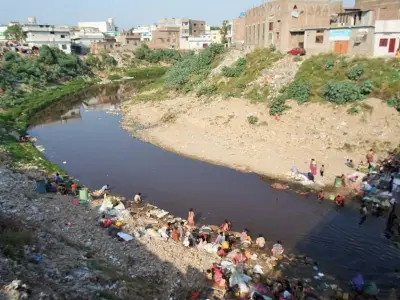
In Pakistan, the deeply entrenched practices of bacha bazi and child labour represent two critical yet often overlooked gender blind spots in the country's child protection framework. While much of the discourse on child rights focuses on girls, boys are equally vulnerable to exploitation, abuse, and neglect. This article sheds light on the plight of these unseen boys and calls for a more inclusive approach to child protection.
The Hidden Crisis of Bacha Bazi
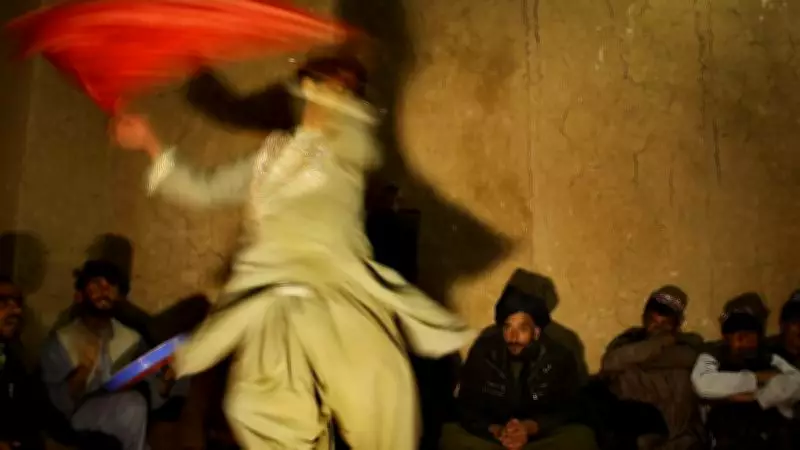
Bacha bazi, a term that translates to 'boy play,' refers to a practice where young boys are forced into dancing, sexual servitude, and other forms of exploitation, often by powerful men. Despite being illegal, it persists in various parts of Pakistan, particularly in the northern regions. The boys involved are typically from impoverished families, sold or tricked into servitude, and subjected to physical and psychological trauma. The practice is a stark reminder of how gender biases can render boys invisible in child protection policies.
Child Labour: A Gendered Phenomenon
Child labour in Pakistan is often viewed through a gender-neutral lens, but the reality is that boys and girls face different forms of exploitation. Boys are more likely to be engaged in hazardous work such as brick kilns, carpet weaving, and auto workshops, while girls are often confined to domestic work. However, the plight of boys in child labour is frequently overshadowed by the focus on girls' education and early marriage. This gender blind spot leads to inadequate interventions for boys, leaving them trapped in cycles of poverty and abuse.

Systemic Failures in Child Protection
Pakistan's child protection system suffers from significant gaps. The lack of a comprehensive child protection law, inadequate enforcement of existing laws, and social stigma around reporting abuse all contribute to the invisibility of at-risk boys. Furthermore, the cultural norm of male dominance often prevents boys from speaking out about their experiences. The result is a system that fails to protect the most vulnerable, regardless of gender.
Recommendations for Change
To address these blind spots, Pakistan must adopt a gender-sensitive approach to child protection. This includes:
- Strengthening laws against bacha bazi and child labour with strict enforcement.
- Establishing support services for boys, including shelters, counseling, and rehabilitation.
- Raising awareness in communities about the rights of all children, irrespective of gender.
- Training law enforcement and social workers to identify and respond to cases involving boys.
Conclusion
The stories of boys caught in bacha bazi and child labour are a call to action. It is time to move beyond gender stereotypes and ensure that every child, whether boy or girl, is afforded the protection and dignity they deserve.