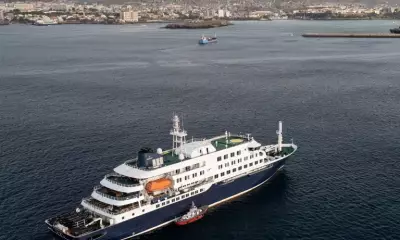
The evacuation flights departing Tenerife following a Hantavirus outbreak on a cruise ship serve as a stark reminder of the fragility of global health security. While authorities have been quick to assure the public that this will not escalate into a pandemic on the scale of COVID-19, such assurances often mask systemic complacency. The current situation is not merely a medical anomaly but a test of whether the lessons of the last decade have actually been integrated into public health protocols.
Human Mobility and Virus Transmission
Although the biological characteristics of Hantavirus differ from SARS-CoV-2, the mechanism of global transmission remains the same: human mobility. Relying on the different nature of a virus to justify a relaxed response is a gamble. It is imperative that rigorous protocols are established immediately to ensure the control of such outbreaks. The focus must shift from reactive evacuation to pre-emptive containment.
The Need for Pre-Emptive Containment
A pre-emptive approach is the only viable defence in a hyper-connected world. Waiting for a cluster of cases to emerge before implementing strict screening is a failure of foresight. The current situation demands that the specific individuals exposed to the virus be monitored with clinical precision. Any lapse in the tracking of these passengers would be a failure of basic epidemiology, turning a manageable outbreak into a widespread health crisis.

Moving Beyond Panic and Reassurance
Ultimately, the global health community must move beyond the cycle of panic and reassurance. The novelty of a virus should not be an excuse for a delayed response. The only way to prevent the next pandemic is to treat every outbreak as a potential catastrophe until proven otherwise.