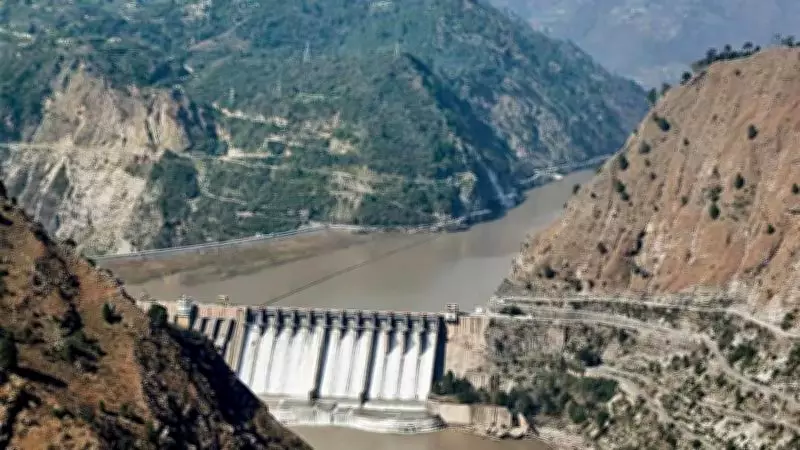
The Indus River, often regarded as the lifeline of Pakistan, is facing a silent crisis beneath its surface. While the river itself flows, the groundwater beneath the Indus basin is depleting at an alarming rate, posing a severe threat to the country's water security, agriculture, and overall ecosystem. This hidden crisis, driven by over-extraction, climate change, and inefficient water management, demands urgent attention and action.
The Scale of the Problem
Groundwater accounts for a significant portion of Pakistan's water supply, especially for agriculture, which contributes over 20% to the national GDP. However, recent studies indicate that the groundwater table in the Indus basin is dropping by an average of 1 to 2 meters per year. In some regions, such as Punjab and Sindh, the decline is even steeper, reaching up to 3 meters annually. This rapid depletion is unsustainable and could lead to severe consequences if left unchecked.
Over-Extraction and Inefficient Use
One of the primary drivers of groundwater depletion is over-extraction for agricultural purposes. Farmers, relying heavily on tubewells, pump water without any regulation or monitoring. The lack of efficient irrigation techniques, such as drip or sprinkler systems, leads to massive wastage. Moreover, the absence of a legal framework for groundwater usage exacerbates the problem, allowing unlimited extraction without any accountability.

Climate Change Impacts
Climate change is compounding the crisis. Changing precipitation patterns, reduced snowfall in the Himalayas, and increased frequency of droughts are reducing the natural recharge of groundwater. The Indus basin, which relies on monsoon rains and glacial melt for replenishment, is becoming increasingly vulnerable. As glaciers retreat, the long-term water supply from rivers is also at risk, further straining groundwater resources.
Consequences for Agriculture and Food Security
Agriculture in Pakistan is heavily dependent on groundwater, with over 80% of the country's agricultural output relying on it. The depletion of groundwater directly threatens crop yields and food security. As water tables drop, farmers must dig deeper wells, increasing costs and reducing profitability. In some areas, small-scale farmers are forced to abandon their land due to the inability to afford deeper tubewells, leading to rural poverty and migration.
Impact on Drinking Water and Health
Beyond agriculture, groundwater depletion affects drinking water supplies. Over 60% of Pakistan's population relies on groundwater for drinking. As the water table drops, the quality of water also deteriorates. In many regions, groundwater now contains high levels of arsenic, fluoride, and salinity, posing serious health risks. Communities, especially in rural areas, are forced to consume contaminated water, leading to waterborne diseases and long-term health issues.
Environmental and Ecological Damage
The environmental impact of groundwater depletion is equally alarming. The reduction in groundwater levels can lead to land subsidence, damaging infrastructure and reducing the land's ability to support vegetation. Wetlands and rivers that depend on groundwater discharge are drying up, destroying habitats and biodiversity. The Indus Delta, already threatened by reduced river flows, is further endangered by the loss of groundwater, leading to saltwater intrusion and degradation of coastal ecosystems.
Lack of Policy and Regulation
Despite the severity of the crisis, Pakistan lacks a comprehensive policy for groundwater management. The existing legal framework is outdated and inadequately enforced. There is no system for monitoring groundwater extraction, and the ownership of groundwater remains tied to land ownership, encouraging unlimited use. The absence of a regulatory authority means that the crisis continues to escalate without any coordinated response.

Urgent Need for Action
Addressing the silent crisis beneath the Indus requires a multi-faceted approach. First, there is an urgent need for a national groundwater policy that sets limits on extraction, promotes efficient use, and establishes a monitoring system. Second, investment in water-efficient technologies, such as drip irrigation and rainwater harvesting, can significantly reduce wastage. Third, public awareness campaigns are essential to educate farmers and communities about the importance of sustainable water use.
Role of Technology and Data
Technology can play a crucial role in managing groundwater resources. Remote sensing, GIS mapping, and real-time monitoring can help track water levels and usage patterns. Data-driven decision-making can enable authorities to implement targeted interventions and enforce regulations. Additionally, promoting the use of solar-powered tubewells with efficient pumps can reduce energy costs and water wastage.
Collaborative Efforts
Solving the groundwater crisis requires collaboration between the government, private sector, civil society, and international partners. The government must create an enabling environment through policies and incentives. The private sector can invest in water-efficient technologies and practices. Civil society can advocate for sustainable water management and hold stakeholders accountable. International partners can provide technical expertise and financial support for water conservation projects.
The silent crisis beneath the Indus is a ticking time bomb that threatens Pakistan's future. Without immediate and decisive action, the country could face a catastrophic water shortage, with devastating impacts on agriculture, health, and the environment. It is time to bring this crisis to the surface and take the necessary steps to secure Pakistan's water future.