Dr Mahnoor, a female doctor, was severely injured in an acid attack by a hospital employee while on duty at Civil Hospital Quetta. The incident has reignited debates about the persistent violence against women in Pakistan, where patriarchal norms often justify such cruelty.
Femicide Statistics Highlight Systemic Violence
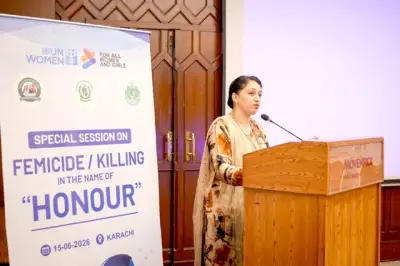
According to reported data, over 7,500 women were killed in Pakistan between 2021 and 2024 in gender-based violence (GBV) cases. Among these, at least 1,553 were killed in the name of honour (karo-kari), and 3,385 lost their lives to domestic violence. These numbers reflect the vulnerable status of women in a male-dominated society, where perpetrators are often fathers, brothers, and husbands who feel justified in using violence to protect family honour.
Domestic Violence and Its Impact
Domestic violence often goes unreported, yet it deeply harms a woman's self-respect and dignity. Women are expected to remain confined within four walls and assume household duties. In rural areas, even minor delays in chores can lead to severe chastisement. Such violence leaves deep scars, resulting in vulnerability and poor health. Karo-kari is most prevalent in countryside feudal communities and among illiterate segments that associate it with honour.

Urban Progress vs. Persistent Threats
In urban areas, gender-based differences have reduced to some extent, with women progressing educationally, economically, politically, and socially. However, cases like Dr Mahnoor's show that women are still targeted for rejecting a man's proposal. To these men, a rejected proposal is an affront to their honour, prompting them to use acid throwing, physical violence, and sexual abuse.
Forms of Violence and Digital Harassment
Global organizations have identified various forms of violence: physical, sexual, emotional, cultural, verbal abuse, harassment, and digital violence. Women in both rural and urban areas suffer these diverse forms. When physically out of reach, women are harassed through social media. Studies indicate that around 58% of women are harassed online globally, while about 40% of women in Pakistan have experienced cyberbullying. Female students are among the most frequent targets of digital abuse.
Deep-Seated Traditions and Psychological Trauma
Deep-seated traditions in South Asia—including non-consensual and forced marriages, denial of female education, and using women as compensation—continue to be legitimized as acceptable cultural practices. This constant assault inflicts deep psychological trauma, dampening women's spirit. These misogynistic tendencies push countries to the bottom of the Gender Parity Index (GPI).
Need for Reform
There is an urgent need to reform mindsets that undermine women's dignity through oppressive customs. Society must do away with misogynistic customs and gender discrimination to ensure that no more women have their faces scarred by acid. Acknowledging the status Islam bestowed upon women centuries ago is to recognize an epitome of dignity that the world has seldom matched.