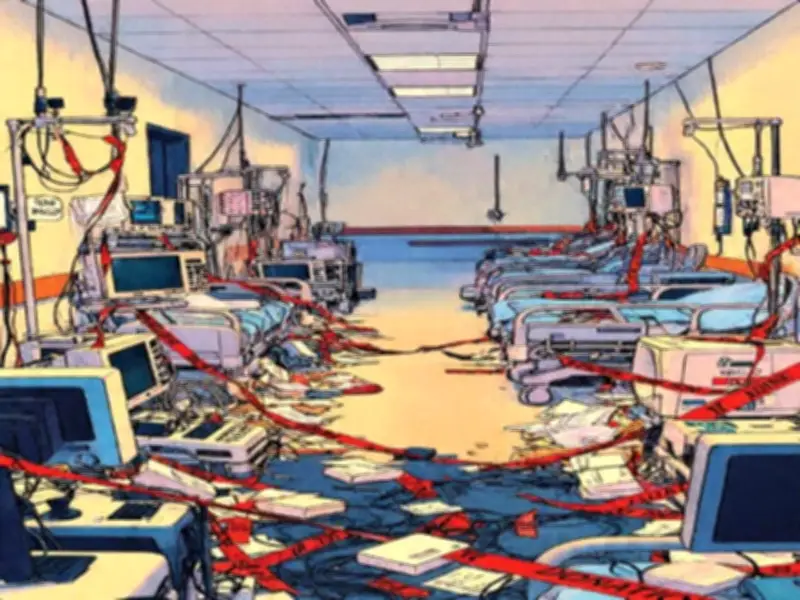
Medical experts have raised alarms over the distribution of used medical equipment from abroad to public hospitals in Karachi, warning that it endangers patient safety. An NGO operating a major children's hospital under a public-private partnership continues to supply second-hand beds, monitors, and surgical supplies across the city, often without government oversight.
NGO's Role and Recent Donations
The organization took over the Sindh Government Children's Hospital in 2016 under a decade-long agreement expiring in September 2026. It imports used medical gear from foreign hospitals and channels it as "donations" to several teaching hospitals in Karachi. On June 20, Civil Hospital received a consignment of used gloves, monitors, and beds. A day later, Jinnah Postgraduate Medical Centre (JPMC) received similar supplies, including 50 beds and ICU equipment.
Health Professionals' Concerns
A senior physician, speaking on condition of anonymity, stated, "Used equipment - especially beds and monitors that have already been in contact with multiple patients - cannot be certified safe for reuse. In Sindh, no official quality control or medical scrutiny has been conducted on these imports. This is a ticking time bomb for patient safety." Sources confirmed that no representative from the Sindh Health Department or provincial government was present at either donation ceremony.

Senator's Defense of the Move
Senator Saleem Mandviwalla, who addressed the gathering at JPMC, defended the initiative, acknowledging the equipment was second-hand. "It is now up to the hospital administration to decide. If the equipment is fit for use, they may keep it. If not, they can return it to the NGO," he told The Express Tribune. He also mentioned the province's stalled health insurance scheme, saying a draft had been prepared but faced technical delays. "Our aim is to maximise health facilities across the country," he added.
NGO's Management of Children's Hospital
The same NGO has run Sindh Government Children's Hospital since 2016 with an annual budget of Rs440 million from the provincial government, a sharp increase from Rs100 million before the partnership. Despite the funding boost, the hospital suffers chronic medicine shortages and becomes virtually non-functional after evening hours. Employees have staged repeated protests over salaries often delayed by up to six months.
Questions Mount as Partnership Nears End
With the partnership set to expire in September 2026, questions are increasing over whether the NGO's operations have done more harm than good, and who is monitoring the situation. The lack of oversight and quality control raises serious concerns about patient safety in Karachi's public hospitals.