China and OIC Engage in Diplomatic Dialogue on Middle East Tensions
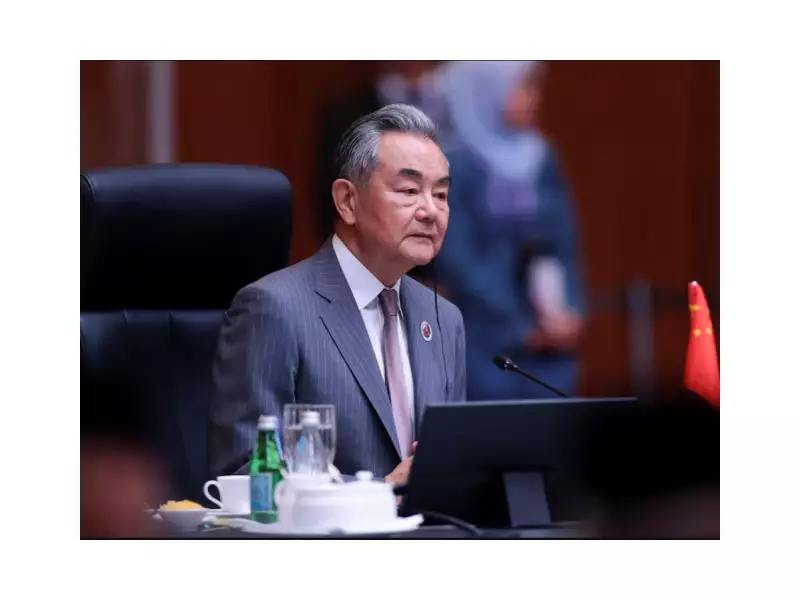
In a significant diplomatic move, China and the Organization of Islamic Cooperation (OIC) have convened to discuss the escalating tensions in the Middle East. This meeting comes at a critical juncture, following recent heightened conflicts between Iran and the United States, which have raised concerns about regional stability and global security.
Background of the Discussions
The discussions between China and the OIC were initiated to address the volatile situation in the Middle East, a region plagued by longstanding conflicts and geopolitical rivalries. The recent escalation between Iran and the United States has added a new layer of complexity, prompting international actors to seek diplomatic solutions to prevent further deterioration.
China, as a major global power with growing influence in the Middle East, has been actively involved in regional diplomacy. The OIC, representing 57 member states with significant interests in the area, provides a crucial platform for Islamic perspectives on these issues. Their joint dialogue underscores the importance of multilateral efforts in managing crises and promoting peace.

Key Points from the Meeting
During the talks, several key points were emphasized by both parties:
- De-escalation Efforts: Both China and the OIC stressed the urgent need for de-escalation in the Middle East, particularly in light of the Iran-US tensions. They called for restraint from all involved parties to avoid further conflict.
- Diplomatic Solutions: The discussions highlighted the preference for diplomatic and political solutions over military actions. China and the OIC advocated for dialogue and negotiations as the primary means to resolve disputes.
- Regional Stability: Ensuring stability in the Middle East was a central theme, with both sides acknowledging the interconnectedness of regional conflicts and their impact on global peace and security.
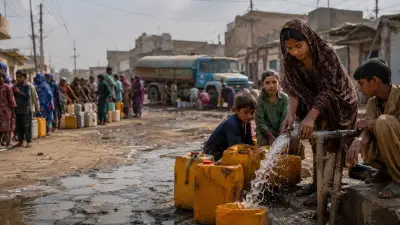
- Humanitarian Concerns: The humanitarian implications of the tensions, including potential displacement and suffering of civilians, were also addressed, with calls for international cooperation to mitigate these effects.
Implications for Pakistan and the Global Community
For Pakistan, a member of the OIC and a country with close ties to both China and Middle Eastern nations, these discussions hold particular relevance. Pakistan has often played a mediating role in regional conflicts and may benefit from the outcomes of such diplomatic initiatives. The country's strategic interests in maintaining stability in the Middle East align with the goals of the China-OIC dialogue.
Globally, this meeting reflects a broader trend of increasing involvement by non-Western powers in Middle Eastern affairs. China's role, in particular, signals a shift in the geopolitical landscape, as it seeks to expand its influence through diplomatic channels rather than military intervention. The OIC's participation ensures that Islamic perspectives are integrated into international efforts to address the crisis.
Future Prospects and Challenges
Looking ahead, the success of the China-OIC discussions will depend on several factors:
- Continued Engagement: Sustained dialogue between China, the OIC, and other stakeholders is essential to build trust and find lasting solutions.
- International Support: Broader international backing, including from the United Nations and other major powers, could enhance the effectiveness of these efforts.
- On-the-Ground Realities: Addressing the root causes of tensions, such as political disputes and economic issues, will be crucial for any long-term resolution.
In conclusion, the meeting between China and the OIC represents a proactive step towards addressing the complex tensions in the Middle East. As the situation continues to evolve, such diplomatic initiatives will be vital in shaping a more peaceful and stable regional environment.