EU Leader Stresses Urgent Need to Reopen Vital Strait in Middle East Diplomacy
European Council President Antonio Costa has communicated directly with Jordan's King Abdullah, emphasizing the imperative to reopen the Strait of Hormuz. This strategic waterway, a crucial artery for global energy supplies, has become a focal point of international concern due to recent escalations in regional conflicts.
High-Level Diplomatic Exchange on Critical Maritime Passage
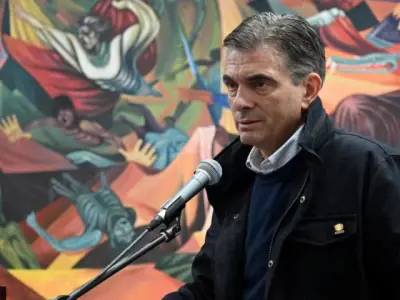
During a significant phone call on Monday, President Costa conveyed the European Union's firm stance to King Abdullah. Costa later detailed the conversation on social media platform X, stating, "In our call today, I reiterated that the EU stands by its partners in these challenging times and supports all ongoing diplomatic efforts." He further underscored that "the full and unconditional reopening of the Strait of Hormuz remains a priority," while expressing grave concerns about the deteriorating situation in Lebanon.
The Strait of Hormuz is not merely a regional chokepoint but a global economic linchpin. It typically facilitates the transit of approximately one-fifth of the world's oil and liquefied gas supply, making its closure a matter of international security and economic stability.

Escalating Tensions Jeopardize Ceasefire and Maritime Security
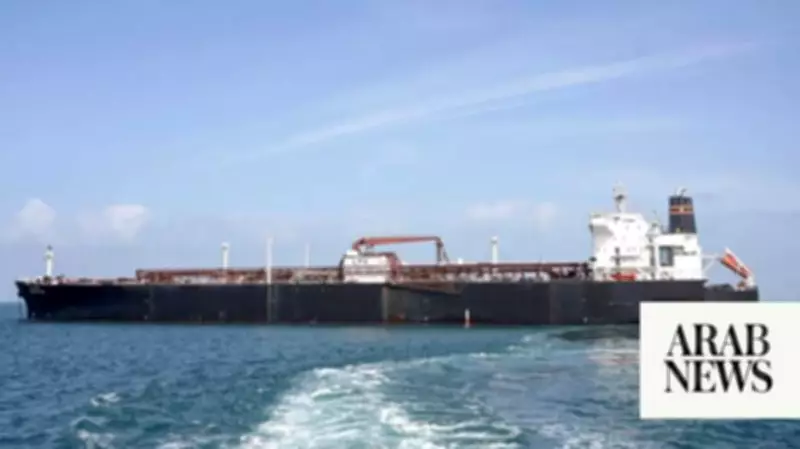
The diplomatic urgency comes against a backdrop of heightened tensions between the United States and Iran. A fragile ceasefire appeared to be in jeopardy on Monday following a series of provocative actions. The United States reported seizing an Iranian cargo ship that attempted to breach its naval blockade, prompting Tehran to vow retaliation and refuse participation in new peace talks for the time being.
This incident exacerbates an already volatile maritime standoff. The United States has maintained a persistent blockade of Iranian ports, while Iran has engaged in a tit-for-tat strategy, alternately lifting and reimposing its own blockade on commercial traffic attempting to navigate through the Strait of Hormuz. This cycle of escalation threatens to disrupt a vital corridor for energy exports from the Persian Gulf region to global markets.
Broader Regional Implications and International Response
The EU's intervention, as articulated by President Costa, highlights the international dimension of the crisis. The call with Jordan's monarch signifies a coordinated effort to leverage diplomatic channels to de-escalate tensions and ensure the free flow of maritime commerce. Jordan, a key regional player, plays a pivotal role in Middle Eastern stability and diplomacy.
The situation remains fluid, with the potential for further military and economic repercussions. The international community, including the European Union, is closely monitoring developments, advocating for dialogue over confrontation to resolve the blockade and prevent a wider regional conflict that could severely impact global energy security and prices.