Tehran has formally accused NATO of being complicit in what it terms an unlawful war of aggression by the United States and Israel against Iran. The accusation came after NATO Secretary General Mark Rutte publicly acknowledged that alliance member states provided basing and logistical support for the US military operation named Epic Fury.
NATO Chief's Admission Sparks Outrage
During an interview with Fox News, Rutte stated that hundreds of American warplanes launched from bases in Italy as part of the campaign. He specifically mentioned that 500 US planes took off from bases in Italy to support Epic Fury. Rutte also noted that Romania had adjusted its commercial air traffic to accommodate tanker aircraft for the US military effort.
Rutte's remarks were in response to criticism from US President Donald Trump, who had told the NATO chief on Wednesday that he felt let down by allies who did not openly back the war against Iran. Trump's second term has been marked by tensions with NATO allies, many of whom expressed skepticism about the necessity of the Middle East conflict.

Iran's Strong Condemnation
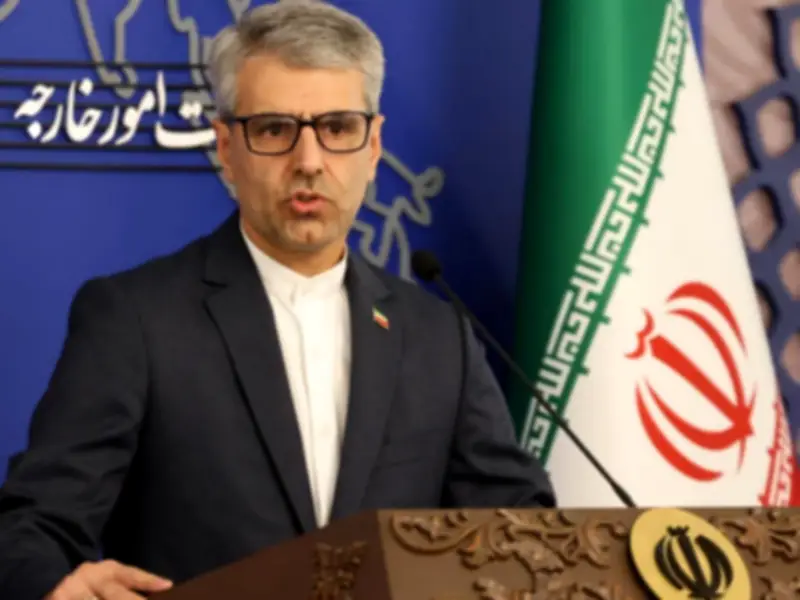
Esmaeil Baqaei, spokesman for Iran's Foreign Ministry, condemned Rutte's statements as a clear admission of active complicity in what Iran considers an illegal war. In a post on X, Baqaei wrote: "This is a clear and damning admission of NATO’s active complicity in an unlawful war of aggression against a sovereign UN Member State — a flagrant violation of peremptory norms of international law and the core principles of the UN Charter."
Baqaei further accused NATO of violating fundamental international legal principles and called the alliance's actions a serious breach of the UN Charter.
Italy Distances Itself from Rutte's Comments
Italy quickly moved to distance itself from Rutte's characterization of its role. The Italian Defense Ministry issued a statement saying that Rutte's words gave "a completely misleading message by confusing the type of flights that were authorised." The ministry clarified that Italy had only permitted "technical and logistical" US flights under existing bilateral agreements, not combat missions.
The clarification from Italy highlights the delicate balancing act many NATO members face between supporting a key ally and avoiding direct involvement in a conflict that has drawn widespread international criticism.
Broader Implications for NATO
The controversy underscores the deepening divisions within NATO over the US-led war in Iran. While some members have provided varying degrees of support, others have publicly voiced reservations. The admission by Rutte, however, has given Iran a powerful propaganda tool to paint the entire alliance as a party to what it calls aggression.
The incident also raises legal questions about the extent of NATO's involvement and whether member states could be held accountable under international law for facilitating military operations. Iran has vowed to raise the matter at the United Nations and other international forums.