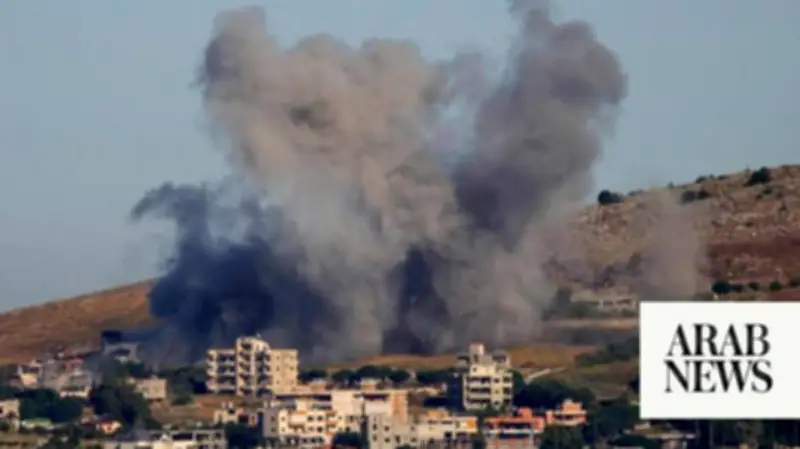
A conditional ceasefire and the establishment of pilot security zones have been agreed upon by Lebanon, Israel, and the United States, as announced in a joint statement following US-mediated talks in Washington. The agreement, reached on Wednesday, aims to renew the fragile truce between the two nations and create areas in southern Lebanon where Hezbollah militants would be excluded.
Details of the Ceasefire Agreement
The ceasefire is contingent upon a complete cessation of attacks by Hezbollah and the withdrawal of its operatives from areas south of the Litani River. The joint statement emphasized that the pilot zones would be under the exclusive control of the Lebanese Armed Forces, with all non-state actors barred from these territories. This arrangement is intended to pave the way for a broader peace and security agreement between Israel and Lebanon.
The statement also reaffirmed that the future of the relationship between Israel and Lebanon must be decided solely by the two sovereign governments, rejecting any interference by state or non-state actors. This reference appeared aimed at Iran, Hezbollah's main backer, which has insisted that any agreement to end its conflict with the US and Israel must include a halt to Israeli operations in Lebanon.

Israel's Continued Operations
Despite the ceasefire agreement, Israeli Defense Minister Israel Katz stated on Thursday that Israel would continue its operations on the ground in southern Lebanon for the time being. He noted that Lebanese residents displaced from their homes would not be able to return immediately. Katz said troops would remain in Israel's so-called security zone in southern Lebanon, including the area of Beaufort Castle, a 900-year-old fortress captured by Israel on Saturday. He added that Israel would continue to dismantle terrorist infrastructure in the area and retained freedom of action, backed by the United States, to strike in Beirut in response to attacks on Israeli communities and territory.
Background and Previous Truce Efforts
Lebanon and Israel previously agreed to a cessation of hostilities in April, which was extended in May, but violence continued. The latest US-mediated arrangement, announced on Monday, prompted Israel to suspend plans for strikes on Beirut's Hezbollah-controlled southern suburbs, while Hezbollah halted cross-border attacks. However, violence persisted on Wednesday, with Lebanese security officials reporting Israeli drone strikes that killed at least six people in southern Lebanon and targeted a vehicle in Khaldeh, south of Beirut. Israel said it intercepted a hostile aircraft launched from Lebanon but did not immediately attribute it to Hezbollah.
Future Negotiations
The two sides agreed to continue direct political and security negotiations, with the next meeting expected during the week of June 22. These talks aim to build confidence and resolve outstanding disputes. Lebanon hopes the ceasefire can be expanded into a comprehensive nationwide agreement, while Israel demands Hezbollah's disarmament before ending military operations and withdrawing troops from occupied villages and towns. Hezbollah is not participating in the talks.