Pakistan's Army Chief Arrives in Tehran to Mediate US-Iran Conflict
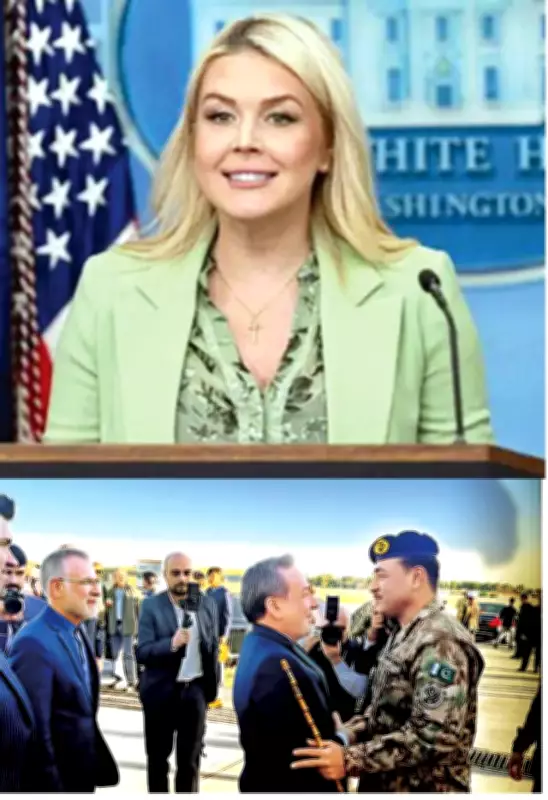
Field Marshal Syed Asim Munir, Pakistan's Chief of Defence Forces and Army Staff, accompanied by Interior Minister Mohsin Naqvi and a high-level delegation, landed in Tehran on Wednesday. This visit is a critical component of Pakistan's ongoing mediation efforts between the United States and Iran, as confirmed by an official press release from the Inter-Services Public Relations.
US President Trump Optimistic About War Conclusion
US President Donald Trump has expressed confidence that the war initiated with Israel against Iran is nearing its end. In interviews with ABC News and Fox Business Network, Trump stated, "I think it's close to over, yeah. I mean I view it as very close to over." He added that Iran appears eager to reach a deal, signaling potential diplomatic progress as Pakistan's military leadership engages in Tehran.
White House Confirms Pakistan as Sole Mediator
White House Press Secretary Karoline Leavitt addressed reporters, denying reports of a US-requested ceasefire but affirming that discussions with Iran are productive and ongoing. Leavitt emphasized Pakistan's unique role, stating, "The Pakistanis have been incredible mediators throughout this process... they are the only mediator in this negotiation." She highlighted that President Trump values streamlining communication through Pakistan, with future talks likely to be held in Islamabad.

Diplomatic Efforts and Sticking Points
The mediation comes after previous talks in Islamabad ended without a breakthrough last weekend. Key issues include:
- Iran's nuclear program
- Control of the Strait of Hormuz
- Compensation for wartime damages
According to regional officials, negotiators are working to narrow gaps on these points, with sources indicating progress toward a framework deal. If achieved, a ceasefire extension would allow for detailed negotiations.
Global Economic and Political Implications
Trump's optimism has positively influenced global stock markets, pushing them toward record highs. However, oil prices remain elevated at around $95 per barrel due to a US naval blockade of Iranian ports, which has halted seaborne trade. Finance ministers from nearly a dozen countries, led by Britain, have called for full implementation of agreements, warning that the conflict could strain the global economy even if resolved soon.
Regional Conflicts and Broader Impact
The war, which began on February 28 with US and Israeli involvement, has triggered Iranian attacks on Gulf neighbors and reignited hostilities between Israel and Iran-backed Hezbollah in Lebanon. International criticism has mounted, with countries like Italy, Spain, and China condemning Israeli strikes in Lebanon.
Future Prospects and Mediation Details
Leavitt noted that while no formal ceasefire extension has been agreed upon, engagement continues. She refrained from setting timelines for the naval blockade but confirmed its full implementation. The US supports freedom of navigation in the Strait of Hormuz for vessels outside Iranian ports, enforcing the blockade only on those entering or departing.
As Pakistan's mediation efforts intensify, the international community watches closely, hoping for a peaceful resolution to a conflict that has far-reaching regional and global consequences.