Pakistan's Diplomatic Strategy Must Catalyze Economic Growth and Investment
In today's interconnected global landscape, Pakistan stands at a critical juncture where its diplomatic engagements must be seamlessly integrated with economic objectives to foster national prosperity. The country's foreign policy, traditionally focused on geopolitical and security concerns, now requires a paradigm shift to prioritize economic diplomacy as a cornerstone of its international strategy.
Transforming Diplomatic Relations into Economic Opportunities
Pakistan's diplomatic corps and policymakers are increasingly recognizing the imperative to convert bilateral and multilateral relationships into concrete economic gains. This involves not only maintaining strong political ties but also actively pursuing trade agreements, investment treaties, and technological collaborations that can stimulate domestic industries and create jobs.
Key areas for leveraging diplomacy include:

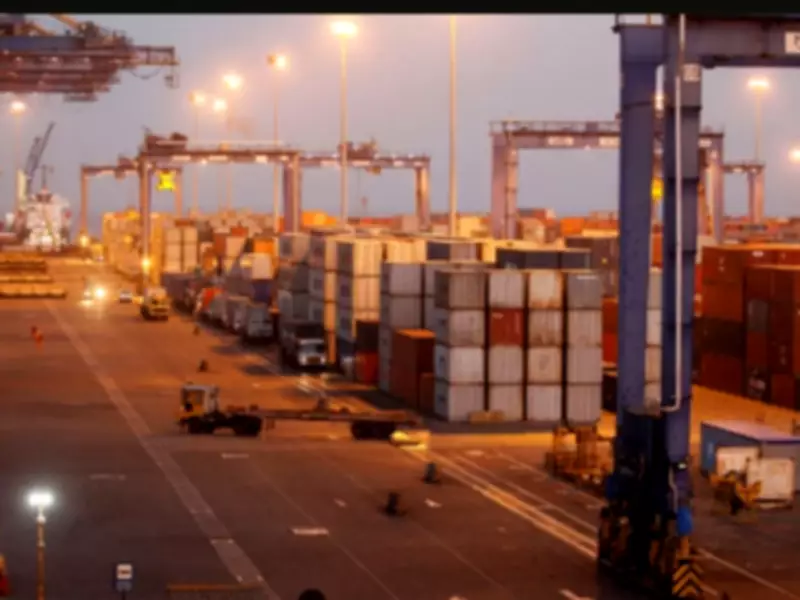
- Enhancing export markets through preferential trade deals with key partners like China, the United States, and the European Union.
- Attracting foreign direct investment by showcasing Pakistan's strategic location, demographic dividend, and improving business climate.
- Securing international aid and loans on favorable terms to fund infrastructure and development projects.
- Promoting tourism and cultural exchanges to boost the services sector and soft power influence.
Challenges and Strategic Imperatives
Despite its potential, Pakistan faces significant hurdles in aligning diplomacy with economic success. Persistent issues such as political instability, bureaucratic red tape, and security concerns often deter investors and complicate trade negotiations. Moreover, the country must navigate complex international dynamics, including regional rivalries and global economic shifts, to maximize its diplomatic leverage.
To overcome these challenges, a multi-faceted approach is essential:
- Strengthening institutional coordination between the Ministry of Foreign Affairs, Ministry of Commerce, and other economic ministries to ensure a unified national strategy.
- Investing in diplomatic training to equip officials with skills in trade promotion, investment facilitation, and economic negotiation.
- Leveraging digital diplomacy through social media and online platforms to market Pakistan's economic potential globally.
- Fostering public-private partnerships to involve business leaders in diplomatic missions and international forums.
Case Studies and Future Prospects
Recent initiatives, such as the China-Pakistan Economic Corridor (CPEC), exemplify how diplomatic ties can be transformed into large-scale economic projects, albeit with ongoing challenges in implementation and sustainability. Similarly, efforts to deepen relations with Gulf states have yielded investment pledges in sectors like agriculture, energy, and real estate.
Looking ahead, Pakistan must capitalize on emerging opportunities in green energy, technology, and regional connectivity. By positioning itself as a hub for renewable energy projects or a destination for tech outsourcing, the country can attract new forms of investment and diversify its economic base. Diplomatic efforts should thus be tailored to highlight these niches in international engagements.
In conclusion, the success of Pakistan's diplomacy will increasingly be measured by its ability to deliver economic dividends. As global competition intensifies, a proactive and economically focused foreign policy is not just desirable but imperative for national development and stability. By turning diplomatic capital into tangible growth, Pakistan can secure a more prosperous future for its citizens and enhance its standing on the world stage.