Pakistan's Mediation Role Becomes Central to West Asia Diplomacy
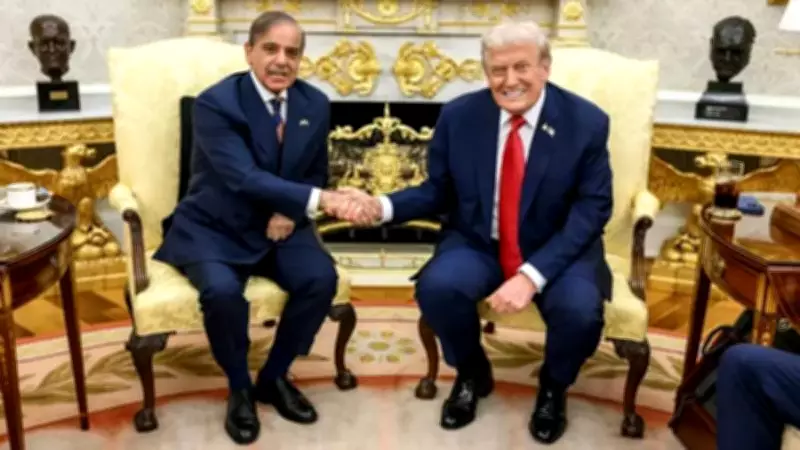
In a significant development for international relations, Pakistan's diplomatic initiatives in West Asia are increasingly being recognized as a pivotal force in regional diplomacy. The country has been actively engaging in mediation efforts to address complex conflicts and tensions across the region, positioning itself as a key player in fostering dialogue and stability.
Strategic Diplomatic Engagement
Pakistan's foreign policy approach has evolved to emphasize proactive mediation, leveraging its historical ties and neutral stance in West Asian affairs. This strategy involves high-level diplomatic missions and behind-the-scenes negotiations aimed at de-escalating conflicts and promoting peaceful resolutions. The efforts are part of a broader commitment to enhancing Pakistan's role on the global stage, with a focus on contributing to regional security and cooperation.
Impact on Regional Stability
The mediation efforts by Pakistan are seen as crucial in a region marked by longstanding disputes and geopolitical rivalries. By facilitating talks and offering platforms for dialogue, Pakistan aims to reduce hostilities and build trust among conflicting parties. This role not only underscores Pakistan's diplomatic capabilities but also highlights its potential to influence positive outcomes in volatile situations, thereby contributing to overall peace and stability in West Asia.

Challenges and Opportunities
While Pakistan's mediation role presents opportunities for enhanced international standing, it also comes with challenges. Navigating the intricate dynamics of West Asian politics requires careful diplomacy and sustained effort. However, success in these endeavors could lead to strengthened bilateral relations, increased economic partnerships, and a more prominent voice in global diplomatic forums, reinforcing Pakistan's position as a responsible and influential actor in international affairs.