Khawaja Asif Highlights Pakistan's Rising Role in Global Conflict Mediation
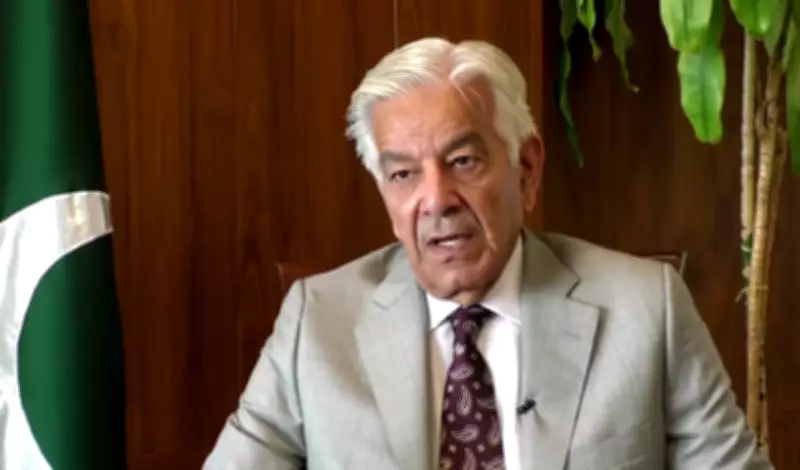
In a significant address, Foreign Minister Khawaja Asif has underscored Pakistan's increasingly prominent position in international diplomacy, particularly in mediating global conflicts. Speaking at a high-profile event, Asif detailed the nation's proactive efforts to foster peace and stability across various regions, highlighting its strategic importance on the world stage.
Pakistan's Diplomatic Initiatives
Asif pointed to several key initiatives where Pakistan has played a crucial mediating role. These include efforts to de-escalate tensions in neighboring countries and broader regional disputes. He emphasized that Pakistan's foreign policy is rooted in principles of neutrality and constructive engagement, aiming to bridge divides and facilitate dialogue among conflicting parties.
The foreign minister noted that Pakistan's experience in handling complex geopolitical challenges has equipped it with unique insights and capabilities. This expertise, he argued, makes the country a valuable partner in international peacekeeping and conflict resolution efforts.

Global Recognition and Future Prospects
Asif highlighted the growing international recognition of Pakistan's diplomatic contributions. He mentioned that global forums and partner nations have increasingly sought Pakistan's input and assistance in resolving conflicts, reflecting its rising stature. This trend, he suggested, is likely to continue as global dynamics evolve and new challenges emerge.
Looking ahead, Asif outlined Pakistan's commitment to expanding its role in global mediation. He stressed the importance of continued engagement with international organizations and bilateral partners to enhance peace and security worldwide. The minister also called for greater collaboration among nations to address root causes of conflicts, such as economic disparities and political instability.
Implications for Pakistan's Foreign Policy
This emphasis on mediation aligns with Pakistan's broader foreign policy objectives, which prioritize regional stability and global cooperation. Asif's remarks signal a shift towards a more assertive diplomatic posture, leveraging Pakistan's geopolitical position to influence international affairs positively.
In conclusion, Khawaja Asif's address reaffirms Pakistan's dedication to peace and its growing influence in global conflict resolution. As the nation continues to navigate complex international landscapes, its role as a mediator is set to become even more pivotal in the years to come.