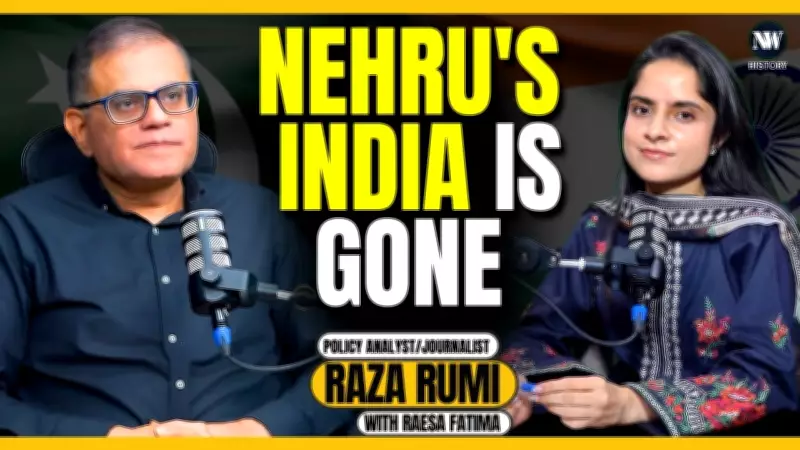
Pakistan Accused of Sabotaging Peace with India: Raza Rumi's Critique
In a recent analysis, prominent journalist Raza Rumi has made controversial claims regarding Pakistan's diplomatic stance toward India. Rumi asserts that Pakistan has actively sabotaged peace efforts with its neighbor, drawing connections to the rise of Hindutva ideology in India and the enduring legacy of the 1971 war. This perspective has ignited intense discussions among political analysts and the public, highlighting deep-seated tensions in South Asian relations.
Historical Context and Hindutva Influence
Rumi's argument delves into the historical backdrop of India-Pakistan conflicts, particularly focusing on the 1971 war that led to the creation of Bangladesh. He suggests that Pakistan's actions since then have been shaped by a defensive posture, which he claims has undermined peace initiatives. Furthermore, Rumi points to the growing influence of Hindutva, a right-wing Hindu nationalist ideology in India, as a factor exacerbating regional hostilities. According to him, Pakistan's response to this ideological shift has been counterproductive, often escalating tensions rather than fostering dialogue.
Key Points from Rumi's Analysis:- Pakistan's foreign policy is accused of prioritizing confrontation over cooperation with India.
- The 1971 war is cited as a pivotal event that continues to influence Pakistan's strategic decisions.
- Hindutva's rise in India is viewed as a challenge that Pakistan has mishandled, leading to peace sabotage.
Implications for Regional Diplomacy
The allegations by Raza Rumi carry significant weight in the realm of international relations. If true, they suggest that Pakistan's approach has not only hindered bilateral peace but also contributed to a volatile security environment in South Asia. Experts note that such critiques could pressure Pakistani authorities to reevaluate their diplomatic strategies, especially in light of ongoing conflicts and economic challenges. The discussion also touches on how historical grievances, like those from 1971, can perpetuate cycles of mistrust and aggression between nations.

In conclusion, Raza Rumi's claims about Pakistan sabotaging peace with India, tied to Hindutva and the 1971 war, offer a provocative lens on regional dynamics. As debates continue, the call for renewed diplomatic efforts grows louder, underscoring the urgency of addressing these deep-rooted issues for a more stable future.