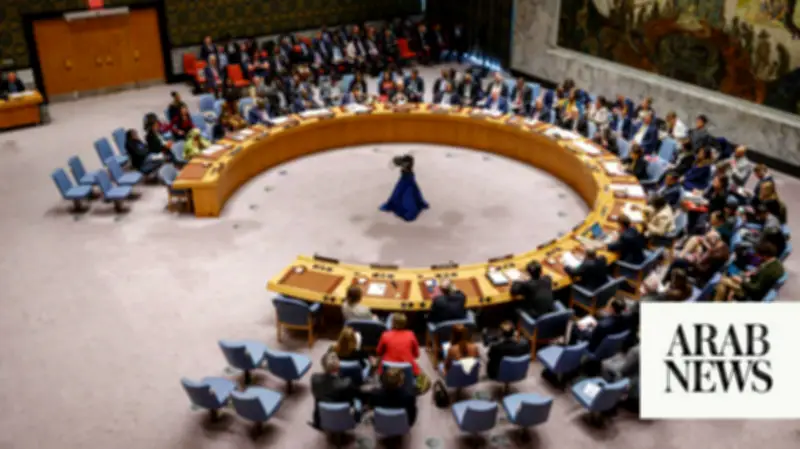
Russia's UN ambassador, Vassily Nebenzia, stated on Tuesday that the United States did not grant a visa for Russian Deputy Foreign Minister Alexander Alimov to attend a UN Security Council meeting, calling it a breach of US obligations as the host of the United Nations. Nebenzia made the comment during a meeting of the 15-member UN Security Council chaired by China's Foreign Minister Wang Yi, which Alimov had intended to attend.
Visa Denials and Diplomatic Tensions
A UN diplomat confirmed that Iran's Foreign Minister Abbas Araqchi had also apparently been denied a visa to attend the same meeting. The main topic of the meeting was upholding the UN charter and strengthening multilateral cooperation. The State Department, as well as the US and Iranian missions to the UN, did not immediately respond to requests for comment. China's mission said it had no information about visa issues.
Nebenzia emphasized that Alimov, who oversees matters related to the United Nations, was invited by Wang Yi. He described the visa denial as an egregious instance of disrespect for China's UN presidency, especially given the topic under discussion was the UN charter. Despite all attempts to persuade the US side to issue a visa, it was ultimately not granted, he said.

Legal Obligations Under the UN Headquarters Agreement
Nebenzia argued that under the UN Headquarters Agreement, access to UN headquarters in New York must be provided for all officials of member states, without exception. UN spokesperson Farhan Haq told a news briefing that the UN expects the host country to issue visas to all those who need to participate in UN activities at its headquarters.
Haq also revealed that Araqchi was not in New York and would not meet with UN Secretary-General Antonio Guterres on Tuesday as scheduled, though he did not know the reason. Iran stated on Tuesday that the United States had violated the ceasefire in their war after the US conducted what it called defensive strikes in southern Iran. Wang Yi expressed hope that parties in the conflict could remain committed to the ceasefire and meet each other halfway.
Broader Concerns Over the UN Charter
Nebenzia warned that the UN charter was under serious strain and accused Western-led countries of using double standards to maintain dominance. He highlighted remilitarization in Germany and Japan as dangerous threats to global security, undoing the results of World War Two. The policy of remilitarization is undermining the UN-centric international system, he said. Countries that were defeated during the Second World War are seeking plausible pretexts for rewriting its outcomes, and their rhetoric should not mislead anybody. This is a very dangerous trend, which warrants the attention of the entire international community.
Wang Yi called for reinvigorating the UN Charter amid rising instability and conflict, warning that a giant ship of global civilization is sailing into dangerous waters. Guterres told the meeting that the world now faces the highest number of conflicts since the founding of the United Nations in 1945, along with new and uncharted risks to peace and security.