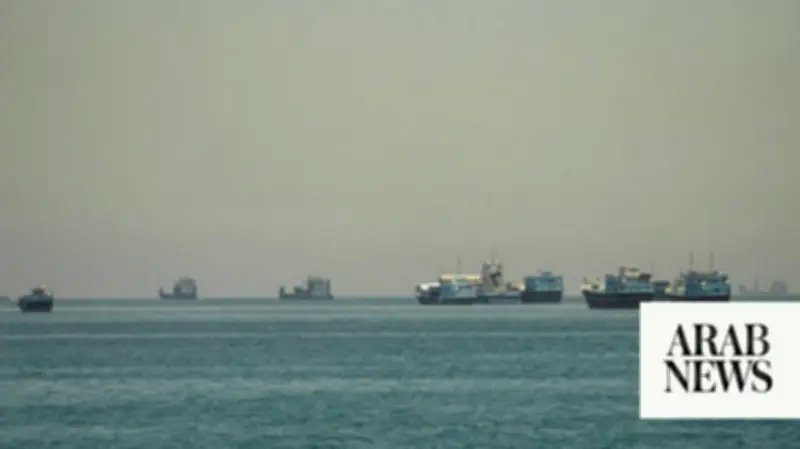
The closure of the Strait of Hormuz due to ongoing conflict between Iran and the United States has severely disrupted trade and humanitarian aid flows to landlocked Afghanistan, leaving businesses and the United Nations World Food Programme (WFP) struggling with skyrocketing costs and dwindling supplies.
Impact on Humanitarian Aid
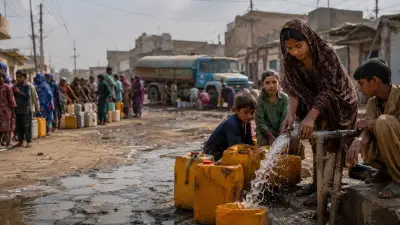
The WFP, which provides life-saving nutritional supplements to malnourished mothers and children in Afghanistan, has seen its transportation costs triple and supplies choked off. Most of its nutrition supplies were sourced from Pakistan, but after the border with Pakistan closed in October, the organization rerouted shipments through Dubai and Iran. Now, with Tehran controlling the Strait of Hormuz and the US blockading Iranian ports, that route is effectively closed. By mid-April, nutritional supplements had run out.
"At a time when malnutrition is already at near-record levels, weakened and desperate mothers and children are being turned away from health clinics, as we have no food to give them," said John Aylieff, WFP's country director in Afghanistan. He noted that the organization has received only 8 percent of its annual funding this year, compounding the crisis.

Rerouting Through Central Asia
Supplies must now be routed by land through Central Asia, far from any ocean. One shipment of high-energy fortified biscuits has been on the road for three months, traveling from the UAE through Saudi Arabia, Jordan, Syria, Turkiye, Georgia, Azerbaijan, and across the Caspian Sea into Turkmenistan. The cost of supplements for malnourished mothers and children has jumped by 35 percent.
Businesses Face Ruin
Afghan businesses are also suffering. Lutfullah Akbari, who imports construction equipment from China, has supplies stuck on ships unable to transit the Strait of Hormuz. With logistics costs rising, he is considering abandoning his cargo. "The Iran-US war has had a huge impact on my business," he said.
Gul Meer Amini, logistics director at freight company Etifaq Bamyan International Transport, said container rental costs have surged from $3,000-$3,600 to over $7,000, and for some goods, over $11,000. Mohammad Murtaza Ishaqzai, an electronics seller, said delivery costs from China via Iran have risen from $1,100-$1,500 to over $15,000. "We can't export and we can't import," he said, appealing to the Taliban government to resolve the conflict with Pakistan to resume border trade.
Trade Shifts to Central Asia
Despite the crisis, Afghanistan's Commerce Ministry spokesperson Abdul Salam Jawad said overall price increases have remained low at around 3 percent, thanks to continued trade with Iran and increased imports from Central Asia, Russia, and China. Khan Jan Alokozai, senior adviser to Afghanistan's Chamber of Commerce, noted that over 60 percent of trade now passes through Central Asia, mitigating the overall impact. Food and petroleum products come via Central Asia and Russia, while much trade is conducted through Turkiye with rail transport via Iran or Azerbaijan.