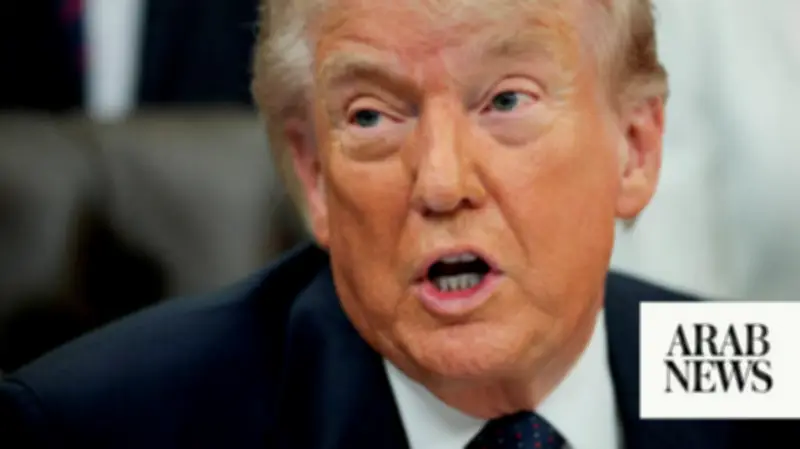
President Donald Trump is set to convene his Cabinet on Wednesday at a critical juncture in negotiations to end the war with Iran, just days after asserting that a settlement had been largely negotiated. However, the talks remain fluid, with key issues unresolved and growing skepticism from within his own party.
Deal Details and Republican Concerns
The emerging agreement would require Iran to surrender its stockpile of highly enriched uranium in exchange for sanctions relief, according to two regional officials and one senior Trump administration official. Some Republican allies, including Senators Roger Wicker, Lindsey Graham, and Ted Cruz, have voiced concerns that the terms are too favorable to Tehran and closely mirror the nuclear deal reached under former President Barack Obama, which Trump scrapped during his first term.
Under the potential deal, Iran would give up its 440.9 kilograms of uranium enriched up to 60 percent purity, a short technical step from weapons-grade levels. The uranium would likely be diluted or transferred to a third country over a 60-day period. However, Iran has not publicly committed to this, and Trump's recent social media post suggested a softening of his earlier demand that the U.S. take control of the stockpile.

Ceasefire and Regional Implications
Another sticking point is whether the ceasefire will cover Israel's operations against Hezbollah in Lebanon. Iran has insisted on this inclusion, while the emerging memorandum of understanding underscores Israel's right to self-defense. Prime Minister Benjamin Netanyahu announced on Tuesday that the Israeli military is deepening its operation in Lebanon, indicating ongoing conflict.
Jonathan Conricus, a former Israel Defense Forces spokesperson and senior fellow at the Foundation for Defense of Democracies, expressed concern that Iran would use sanctions relief to rebuild its military and support proxy groups like Hezbollah and Hamas. He stated, "We're not done fighting, because the Iranian regime isn't done."
Abraham Accords and Regional Reactions
Trump has also linked the Iran deal to expanding the Abraham Accords, urging Saudi Arabia, Qatar, and Pakistan to normalize relations with Israel. However, Saudi Arabia has insisted on a guaranteed path to a Palestinian state, which Israel opposes. Barbara Leaf, a former U.S. ambassador to the UAE, noted that Trump's pitch was met with "stunned silence" from Gulf leaders during a recent call, though a source familiar with the call disputed this characterization.
Leaf added that regional allies support an end to the conflict despite recognizing that Iran may use sanctions relief to bolster its military. "They see no other way out," she said, citing early mistakes in the war's conduct.
Ongoing Military Actions
Talks were further complicated by U.S. "defensive" strikes on missile launch sites and mine-laying boats in southern Iran on Monday. The Pentagon described the strikes as restrained, while Iran condemned them as a sign of bad faith. Secretary of State Marco Rubio stated that negotiations on reopening the Strait of Hormuz and extending the ceasefire would take several more days.
Trump remains confident, posting on social media that even a complete surrender by Iran would be portrayed by the media as a victory for Tehran. The midterm elections loom, with Republicans worried about rising costs and fuel prices affecting voter sentiment.