Trump to Consider Pakistan Army Chief's Advice on Hormuz Blockade in Iran Talks
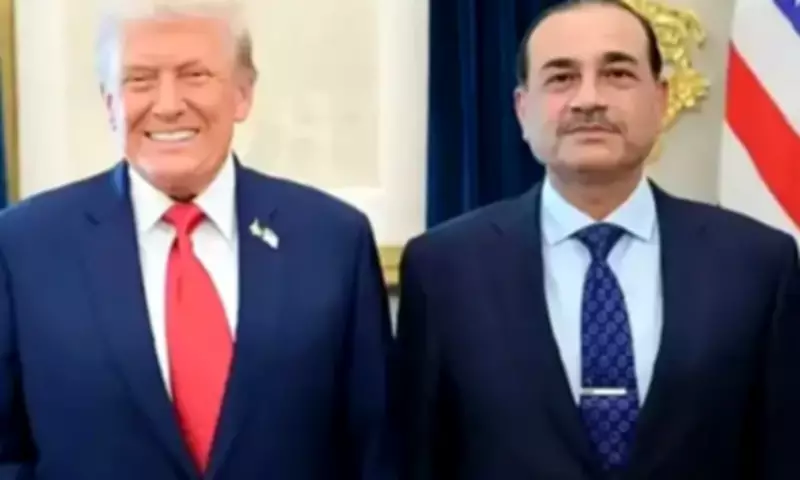
In a significant diplomatic development, US President Donald Trump has indicated he will consider advice from Pakistan's army chief, General Asim Munir, regarding the Strait of Hormuz blockade as a potential obstacle to peace negotiations with Iran. This revelation comes from a Pakistani security source who disclosed details of a recent phone conversation between the two leaders.
Key Details of the Phone Conversation
The Pakistani security source, speaking on Monday, confirmed that President Trump and General Munir engaged in a direct telephone discussion. During this call, Trump explicitly acknowledged that he would take into account Munir's perspective on how the blockade of the strategic Strait of Hormuz might be impeding progress in peace talks with Iran. The Strait of Hormuz is a critical maritime chokepoint for global oil shipments, and its security has been a longstanding concern in regional geopolitics.
This development underscores Pakistan's increasingly active role in mediating regional tensions, particularly between the United States and Iran. General Munir's advice is seen as potentially influential in shaping US policy approaches, given Pakistan's geographical proximity and diplomatic ties with Iran.

Context of Regional Diplomacy
The phone call occurs against a backdrop of heightened diplomatic activity. Iran has reportedly declined to participate in a second round of talks scheduled to be held in Islamabad, adding complexity to the peace process. Meanwhile, other international efforts are underway, including plans for US Senator JD Vance to travel to Islamabad for discussions with Iranian officials, as announced by the White House.
Pakistan has consistently advocated for peaceful resolution of conflicts in the region. The country's leadership, including General Munir, has been involved in multiple diplomatic engagements aimed at fostering stability. For instance, recent visits and conversations by Pakistani officials, such as discussions between Finance Minister Ishaq Dar and foreign counterparts, highlight Pakistan's commitment to regional peace initiatives.
Implications for US-Iran Relations
Trump's willingness to consider Munir's advice suggests a potential shift in US strategy, possibly incorporating more regional input into its Iran policy. The Strait of Hormuz blockade has been a flashpoint in US-Iran relations, with incidents in the past threatening to escalate into broader conflicts. By heeding advice from a key regional ally like Pakistan, the US may be exploring alternative pathways to de-escalation.
This move could also enhance Pakistan's diplomatic stature, positioning it as a credible mediator in one of the world's most volatile regions. However, the effectiveness of this approach will depend on subsequent actions and Iran's responsiveness to diplomatic overtures.
Broader Regional Dynamics
The situation is further complicated by ongoing regional issues, such as security concerns in the Gulf and economic pressures. For example, recent reports indicate that a Pakistani-flagged tanker successfully exited the Gulf via the Strait of Hormuz carrying UAE crude, demonstrating the continued, albeit tense, maritime activity in the area. Pakistan has previously urged for the safe passage of civilian ships through the strait, emphasizing the importance of maintaining open sea lanes for global trade.
As diplomatic efforts continue, the international community will be closely watching how the US, Pakistan, and Iran navigate these complex negotiations. The outcome could have significant implications for regional stability and global energy markets.