Trump's Escalating Threats Against Iran Spark War Crimes Concerns
President Donald Trump has issued increasingly severe threats against Iran in recent days, with his latest rhetoric focusing on the deliberate destruction of civilian infrastructure. In a series of Truth Social posts, Trump warned that "a whole civilization will die tonight, never to be brought back again" if Iran did not comply with his demands to open the Strait of Hormuz.
From Military Targets to Civilian Infrastructure
The president's threats mark a significant escalation from earlier in the conflict, when U.S. strikes appeared focused on legitimate military targets including nuclear facilities, missile capabilities, and naval assets. Trump now threatens to destroy "every bridge and every power plant" across Iran if his ultimatums are not met.
This shift toward targeting essential civilian infrastructure has alarmed legal experts and political leaders alike. Senate Minority Leader Chuck Schumer warned Sunday that Trump was "threatening possible war crimes," while even some Republican allies have expressed concern about the humanitarian implications.

Legal Experts Question Legitimacy of Threats
Under international law and U.S. military regulations, a target must meet specific criteria to be considered legitimate: it must "make an effective contribution to military action" and its destruction must "offer a definite military advantage." Legal experts who spoke with media outlets noted that while individual infrastructure elements might sometimes qualify as military targets, Trump's blanket threats to destroy entire categories of infrastructure appear problematic.
"The targeting is not being driven by considerations of military advantage, but to politically coerce the opposing party and inflicting pain, things which would not be legitimate aims," said Brian Finucane, a former State Department legal adviser now with the International Crisis Group.
Precedent and Potential Consequences
The United States has targeted electricity grids in previous conflicts, including during Desert Storm in Iraq and the 1999 campaign in Serbia. However, in those instances, the military used specially designed weapons meant to cause temporary disruption rather than permanent destruction.
Michael Schmitt, a former U.S. Air Force judge advocate now teaching at the University of Reading in the UK, warned that "indiscriminate attacks" like those Trump describes could constitute violations serious enough to be considered war crimes. "War crimes are violations serious enough that the political leaders and military commanders involved could face criminal charges," Schmitt explained.
Collective Punishment Concerns
Trump's rhetoric appears to be shifting toward a strategy of collective punishment against the Iranian population for the actions of its government. His description of Iranian leaders as "animals" and threats to send Iran "back to the Stone Ages" have drawn comparisons to justifications used in other conflicts for targeting civilian populations.
This approach raises troubling questions about both legality and strategy. A government that has shown willingness to kill tens of thousands of its own citizens to maintain control may not surrender simply because its population suffers without power or water.
Military Implementation vs. Presidential Rhetoric
Despite the alarming rhetoric from the White House, there remains hope among experts that military planners will maintain more measured approaches. Schmitt expressed optimism that "at the military level, cooler heads will prevail, and there will be a very surgical by the numbers assessment of every target meant to be struck."
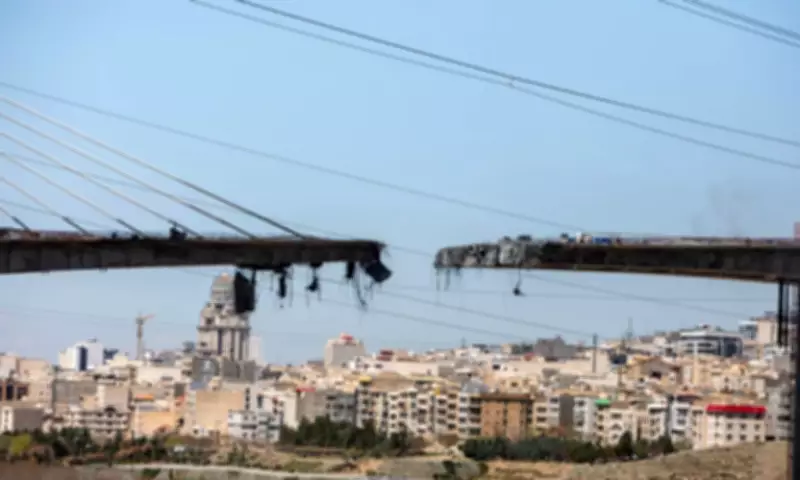
Thus far, most U.S. strikes in Iran have followed predetermined target sets focused on military capabilities. However, recent attacks on a highway bridge and nonmilitary industrial facilities suggest the boundaries of acceptable targets may be expanding.
The conflict continues as Trump vacillates between declaring the war nearly over and threatening dramatic escalations. With Iran showing little indication of making concessions, particularly regarding the strategically vital Strait of Hormuz, the situation remains dangerously volatile.