Turkey's President Erdogan Launches Scathing Attack on Israeli PM Netanyahu
In a dramatic escalation of diplomatic rhetoric, Turkish President Recep Tayyip Erdogan has publicly compared Israeli Prime Minister Benjamin Netanyahu to Adolf Hitler, branding him as "the Hitler of our times" during a recent speech. This inflammatory statement comes amid renewed tensions between Turkey and Israel, primarily fueled by a long-standing dispute over a Gaza-bound humanitarian aid flotilla that dates back to 2010.
Historical Context: The 2010 Gaza Flotilla Incident
The core of this diplomatic clash traces back to the Mavi Marmara incident in May 2010, when Israeli commandos intercepted a Turkish-led flotilla attempting to break the naval blockade of Gaza. The operation resulted in the deaths of ten Turkish activists, sparking international outrage and severely straining bilateral relations. Despite a brief period of reconciliation in recent years, the case has resurfaced as a flashpoint, with Erdogan using it to criticize Israel's ongoing military actions in Gaza.
Erdogan's Speech and International Reactions
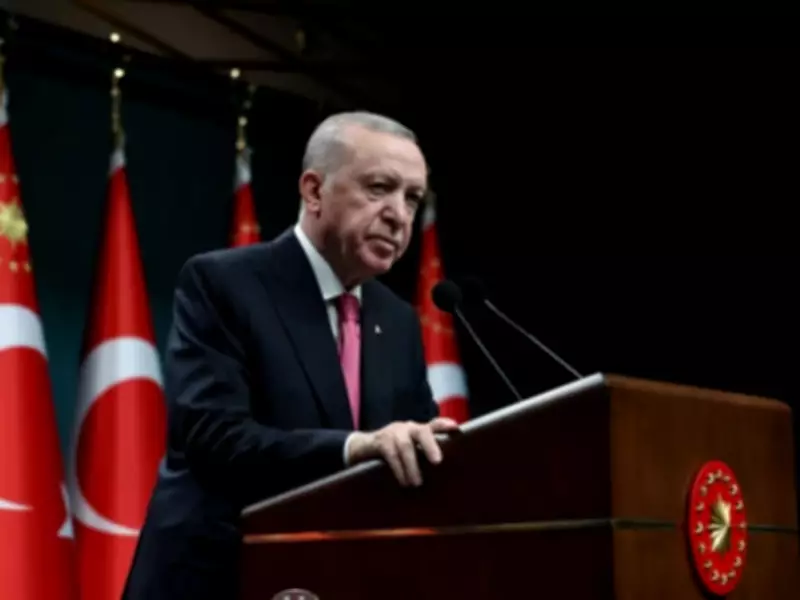
During his address, Erdogan did not mince words, accusing Netanyahu of committing "genocide" in Gaza and drawing direct parallels to the atrocities of World War II. He stated, "Netanyahu and his government are acting with the same mindset as Hitler, targeting innocent civilians and disregarding international law." This comparison has drawn swift condemnation from Israeli officials, who labeled the remarks as "unacceptable and inflammatory," further complicating efforts to mend ties between the two regional powers.

Impact on Turkey-Israel Relations and Regional Dynamics
The sharp exchange underscores the fragile state of Turkey-Israel relations, which have been marked by periods of cooperation and conflict. Key implications include:
- Diplomatic Strain: The verbal war of words threatens to derail recent normalization efforts, including discussions on energy cooperation and security coordination in the Eastern Mediterranean.
- Regional Alliances: This tension may influence broader Middle East dynamics, potentially aligning Turkey more closely with Palestinian causes and distancing it from Israel's allies.
- Humanitarian Concerns: The flotilla case highlights ongoing issues related to Gaza's blockade and the delivery of aid, with Erdogan positioning Turkey as a vocal advocate for Palestinian rights.
As both nations navigate this latest crisis, observers warn that such rhetoric could exacerbate regional instability and hinder peace initiatives. The international community, including the United Nations, has called for restraint, emphasizing the need for dialogue over confrontation.