The United Arab Emirates is set to introduce its first Arabic language law, which will require customer-facing businesses to employ Arabic-speaking staff as part of a broader effort to strengthen national identity. The proposed legislation, approved for drafting this year, is expected to be introduced in 2027.
Key Provisions of the Law
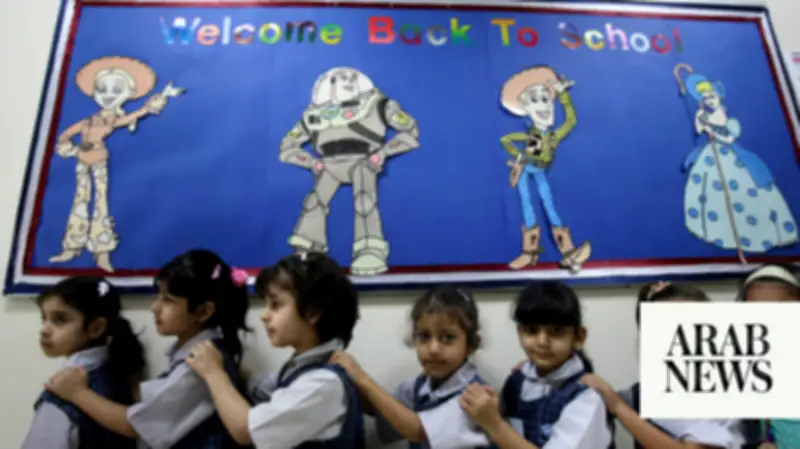
The law aims to address what authorities describe as a "noticeable decline" in the use of Arabic in state institutions and wider society. Shatha Al Mulla, assistant undersecretary for the National Identity and Arts Sector at the Ministry of Culture, emphasized the law's role in promoting the official language among future generations. "We really hope that the law will contribute to strengthening national identity and cultural belonging," she told The National.
The Ministry of Culture is preparing a feasibility study covering ten key areas, including government, economy, business, education, research, culture, and media. Among its provisions, the law would make it mandatory for private sector organizations to employ Arabic-speaking staff, particularly in health services, social services, government-facing roles, and customer service positions. It would also require translation services at public conferences and raise standards for Arabic language teaching in schools.

Penalties and Incentives
Organizations that fail to comply would face penalties, while those meeting the requirements would be eligible for incentives. The proposed law seeks to counter the decline in Arabic usage attributed to the country's demographic diversity and economic openness. The UAE is home to more than 200 nationalities, with Emiratis comprising only about 12 percent of the total population, making it one of the most diverse countries in the world.
Broader Impact
This initiative forms part of a comprehensive policy to enhance the role and status of Arabic across the UAE. By requiring Arabic-speaking staff in customer-facing roles, the law aims to ensure that Arabic remains a living language in daily interactions, preserving cultural heritage while accommodating the country's multicultural fabric.