US and Iran Set for Islamabad Peace Talks to Secure Lasting Middle East Ceasefire
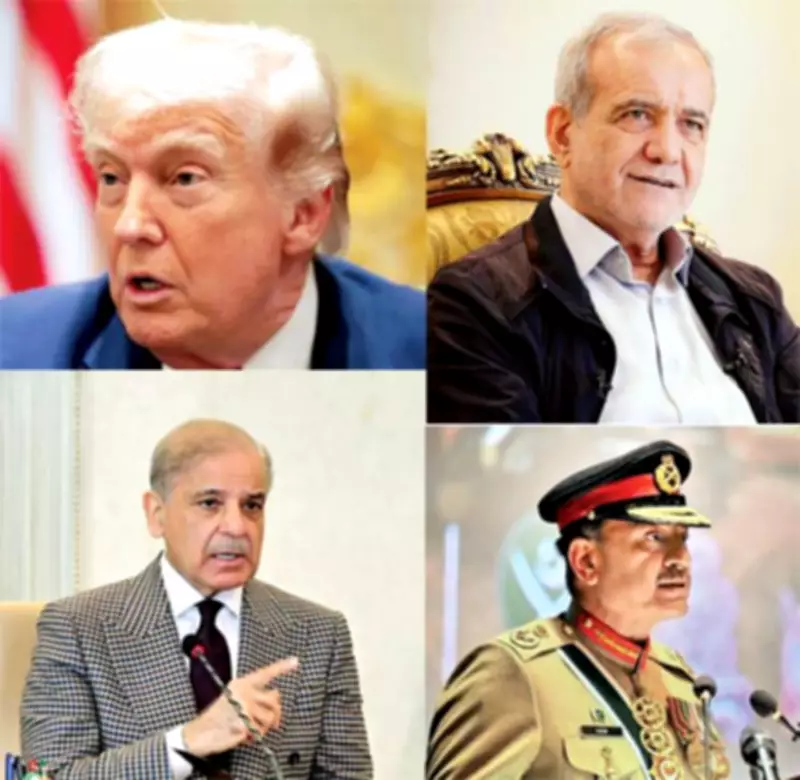
In a significant diplomatic development, the United States and Iran have officially confirmed their participation in peace talks scheduled for Friday in Islamabad. This move comes as global efforts intensify to establish a permanent agreement aimed at ending the ongoing war in the Middle East, following a recent two-week ceasefire. According to a statement from Prime Minister Shehbaz Sharif's Office, the talks are designed to build on the temporary truce and achieve durable, long-lasting peace in the region.
Prime Minister Sharif's Address and International Appreciation
Prime Minister Shehbaz Sharif emphasized the importance of these negotiations in a televised address, stating that the primary goal is to establish a sustainable peace framework after the ceasefire. Earlier, Iran's President Masoud Pezeshkian expressed appreciation for Pakistan's mediation efforts during a phone call with Sharif, as confirmed by the Prime Minister's Office. The Iranian leader also confirmed Tehran's participation in the upcoming Islamabad talks, highlighting the collaborative spirit between the two nations.
During their cordial conversation, which lasted over forty-five minutes, Sharif conveyed his deep appreciation for the wisdom of the Iranian leadership in agreeing to the ceasefire and accepting Pakistan's offer to host the negotiations. He also extended his respects to Iranian Supreme Leader Mojtaba Khamenei. Both leaders agreed to remain in close contact, with Sharif reaffirming Pakistan's commitment to working with all partners to advance regional and global stability.

Ceasefire Details and Broader Diplomatic Efforts
The temporary ceasefire between the US and Iran was agreed upon just hours before a deadline set by former President Donald Trump to escalate attacks. This pause has provided crucial time for both sides to negotiate a longer-term deal to end the six-week conflict, which has resulted in over 5,300 casualties and triggered a global energy crisis. Pakistan has leveraged its close ties with both Iran, with which it shares a border, and the US to facilitate this ceasefire deal.
For weeks, Pakistan has been engaged with other countries, including Turkey and Egypt, to help broker an end to the war. Delegations from friendly nations may also visit Islamabad for the talks, as noted by Law Minister Azam Naseer Tarar in an interview with Bloomberg. In preparation, a holiday has been declared in Islamabad on April 9 and 10 to accommodate the high-level discussions.
Challenges and International Reactions
Despite the progress, challenges remain. Iranian Foreign Minister Abbas Araghchi raised alleged ceasefire violations by Israel with Pakistani mediators, according to an Iranian ministry statement. Reports from Iranian media and Al Jazeera indicate that Tehran is prepared to withdraw from the ceasefire and retaliate if Israel continues bombardments in Lebanon. Iran's Tasnim news agency cited a well-informed source warning that Iran would exit the agreement if Israel persists in violating the ceasefire, with the Islamic Revolutionary Guard Corps vowing to punish Israel for atrocities in Lebanon.
Prime Minister Sharif has acknowledged these concerns, noting on social media that violations have been reported in a few places across the conflict zone, which undermine the peace process. He earnestly urged all parties to exercise restraint and respect the two-week ceasefire to allow diplomacy to lead toward a peaceful settlement.
Looking Ahead to the Islamabad Talks
The Islamabad talks, set for Friday, April 10, are expected to involve key figures, including US officials such as Vance, Witkoff, and Kushner, as indicated by the White House. Sharif has warmly welcomed the sagacious gesture from both countries and extended an invitation for their delegations to negotiate a conclusive agreement to settle all disputes. He expressed hope that the talks will succeed in achieving sustainable peace and shared optimism for more positive news in the coming days.

World leaders have praised Pakistan's mediation role in the US-Iran ceasefire, underscoring the country's growing influence in global diplomacy. As the international community watches closely, the Islamabad negotiations represent a critical step toward ending one of the most devastating conflicts in recent history, with Pakistan at the center of these pivotal peace efforts.