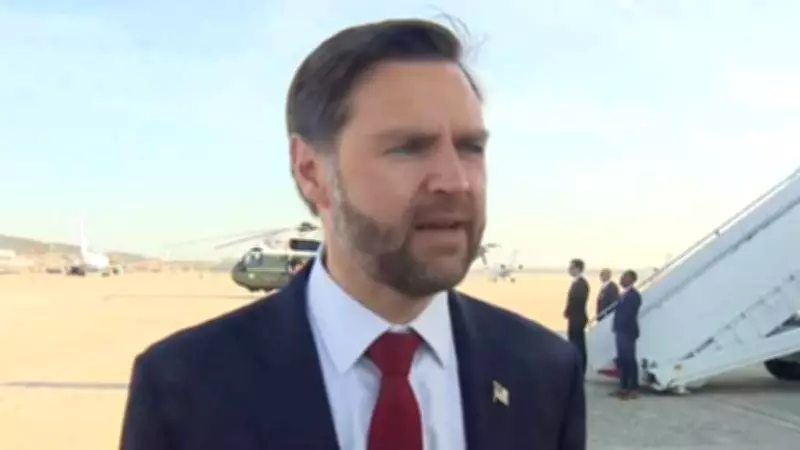
US Vice President JD Vance Arrives in Islamabad for High-Stakes Iran-US Negotiations
US Vice President JD Vance has embarked on a diplomatic mission to Islamabad, where he will spearhead the American delegation in the forthcoming Iran–US negotiations. These critical talks are being facilitated under the mediation of Pakistan, highlighting the country's pivotal role in regional diplomacy. Before his departure, Vance emphasized that his participation is guided by directives from US President Donald Trump, expressing a hopeful outlook that the discussions with Iran will yield constructive and positive results.
Delegation Composition and Schedule
The negotiations are officially scheduled to commence tomorrow in Islamabad, bringing together key figures from both nations. The US delegation is notably robust, comprising Special Representative Steve Witkoff and presidential adviser Jared Kushner, who will join Vice President Vance in representing American interests. On the Iranian side, the delegation will be led by Foreign Minister Abbas Araghchi and Parliament Speaker Mohammad Bagher Ghalibaf, ensuring high-level representation from Tehran.
Logistical and Security Preparations
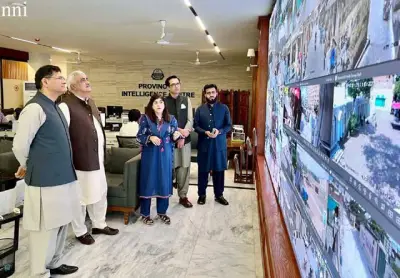
In preparation for the high-level talks, Prime Minister Shehbaz Sharif personally inspected the venue and conducted a thorough review of security arrangements. To accommodate the delegations, a five-star hotel located in Islamabad's Red Zone has been designated for their stay. Authorities have implemented extensive security measures, expanding the secured perimeter from Zero Point to Faisal Mosque. This area encompasses several vital government buildings, including Parliament House, Aiwan-e-Sadr, the Prime Minister's Office, and the Diplomatic Enclave.

An official from the Interior Ministry confirmed that security within the Red Zone will remain under strict military control. Additional deployments of Rangers and police forces have been mobilized to ensure stringent protection throughout the duration of the negotiations. Furthermore, a Foreign Office spokesperson announced that visa-free arrangements will be extended to both delegations and their accompanying media personnel for the visit, streamlining logistical aspects and facilitating coverage of the event.
Context and Implications
This mediation effort by Pakistan underscores its strategic importance in fostering dialogue between the United States and Iran, two nations with historically complex relations. The talks are poised to address pressing regional and global issues, with outcomes potentially influencing diplomatic dynamics in the Middle East and beyond. As the world watches, the success of these negotiations could pave the way for enhanced cooperation and stability in the region.