US Delegation to Arrive in Islamabad for High-Stakes Iran Negotiations
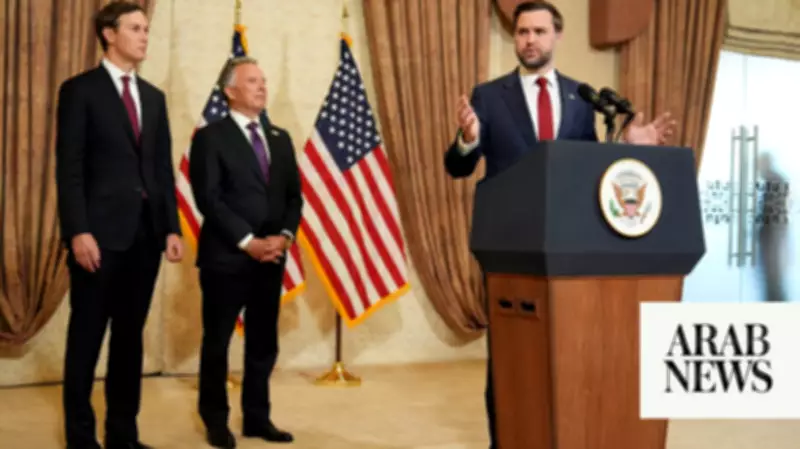
The White House confirmed on Sunday that Vice President JD Vance will lead a United States delegation to Pakistan for crucial negotiations with Iran scheduled for Tuesday. The delegation includes envoys Steve Witkoff and Jared Kushner, who are set to participate in the talks aimed at extending a fragile ceasefire set to expire by Wednesday. This development comes as Iranian state media reported Tehran's rejection of the fresh peace talks, citing Washington's excessive demands and ongoing naval activities.
Iran's Firm Stance Against US Demands
Iran's official IRNA news agency stated that Tehran has refused to attend the second round of talks, attributing its absence to what it called unrealistic expectations and constant shifts in stance from the United States. The report highlighted Iran's concerns over the US naval blockade in the Strait of Hormuz, which Tehran views as a breach of the ceasefire agreement reached on April 8. This blockade has intensified tensions, with Iran reasserting control over the strategic waterway and accusing Washington of violating the truce.
Trump's Threats and Regional Diplomacy
In a Truth Social post on Sunday, former President Donald Trump issued a stark warning to Iran, stating that the US is offering a fair deal and threatening to target Iranian infrastructure if negotiations fail. He said, "We're offering a very fair and reasonable DEAL, and I hope they take it because, if they don't, the United States is going to knock out every single Power Plant, and every single Bridge, in Iran." Meanwhile, Pakistan's Foreign Minister Ishaq Dar emphasized the need for continued dialogue in a call with his Iranian counterpart, Abbas Araghchi, underscoring Pakistan's role in facilitating regional stability.

Preparations and Security Measures in Islamabad
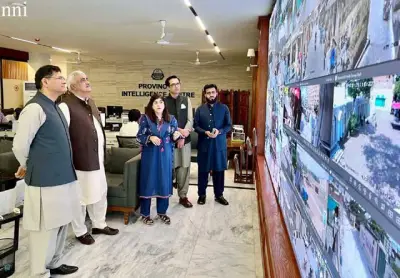
In Islamabad, preparations are underway for the anticipated talks, with heightened security visible across the city. Rolls of barbed wire have been deployed near the Serena Hotel, where the first round of negotiations was held. The hotel has informed guests to vacate due to a government event and has suspended reservations until further notice. A heavy police and army presence is noted in central Islamabad, reflecting the high stakes of the diplomatic engagement.
Background of the US-Iran Conflict
The US-Iran war, which began on February 28, has disrupted global energy and cargo supplies, rattling the Middle East. High-stakes talks in Islamabad on April 11 ended without an agreement, leading to the US imposing a naval blockade in the Strait of Hormuz. Iran had temporarily reopened the strait after a 10-day truce between Israel and Hezbollah, but tensions flared again when Iran fired on two India-flagged merchant ships on Saturday, prompting India to summon Iran's ambassador over the incident.
As the ceasefire deadline approaches, the international community watches closely, with hopes pinned on the upcoming talks to de-escalate the conflict and restore peace in the region.