Hungarian Leader Viktor Orban Ousted After EU Summit Clash
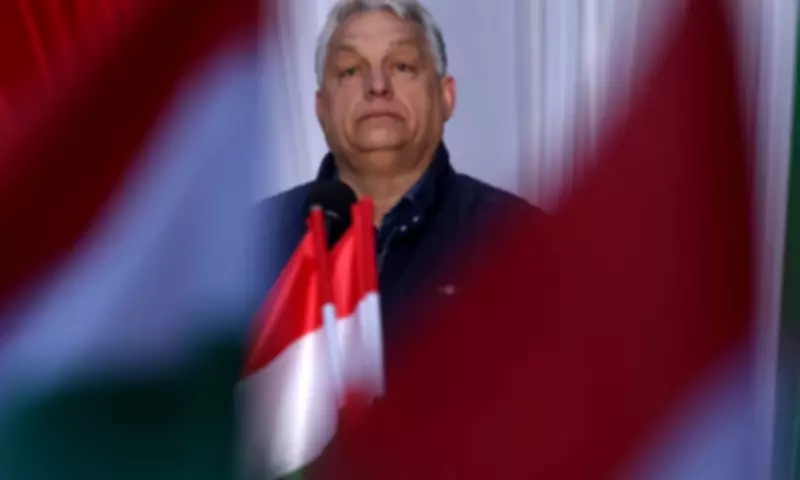
In a stunning political development, Hungarian Prime Minister Viktor Orban has lost his grip on power after a contentious European Union summit. This event marks a pivotal moment in European politics, signaling a potential realignment of regional alliances and governance structures.
Details of the Political Downfall
The fall of Viktor Orban stems from a series of intense disagreements during the recent EU summit, where his staunch nationalist policies clashed sharply with broader European Union directives. Sources indicate that the summit discussions grew increasingly heated, culminating in a decisive vote that effectively undermined Orban's authority within Hungary's political framework.
Orban, who has been a prominent and often controversial figure in European politics for over a decade, faced mounting pressure from both domestic opponents and international partners. His administration's approach to issues such as immigration, rule of law, and economic policy had long been at odds with EU standards, creating a rift that ultimately proved insurmountable.

Implications for Hungary and the European Union
This political shift is expected to have far-reaching consequences for Hungary and its relationship with the European Union. With Orban's departure, analysts predict a potential softening of Hungary's stance on key EU policies, which could lead to increased cooperation and integration within the bloc.
Furthermore, the change in leadership may trigger a period of political instability in Hungary, as various factions vie for control. The Hungarian parliament is likely to see intense debates and negotiations in the coming weeks as a new government forms and sets its agenda.
Broader Impact on Global Politics
The fall of Viktor Orban is not just a local event but resonates across the global political landscape. As a leading voice for nationalist and populist movements in Europe, his ouster could influence similar leaders and parties worldwide, potentially altering the trajectory of international relations and policy-making.
Observers note that this development might encourage pro-EU forces and moderate political groups, while challenging the momentum of far-right and anti-establishment movements that have gained traction in recent years.
In summary, Viktor Orban's loss of power after the EU summit represents a critical juncture for Hungary, the European Union, and global politics, with implications that will unfold in the months and years ahead.