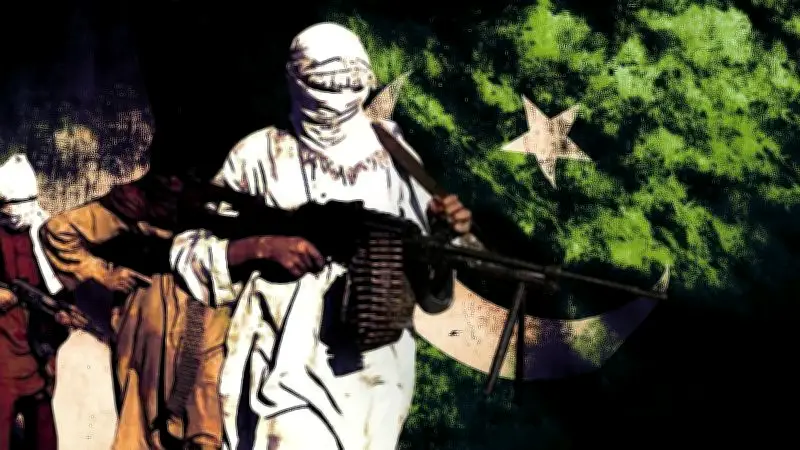
On the evening of 27 June, heavily armed militants launched a coordinated assault on the Sindh Rangers headquarters in Karachi, Pakistan's commercial hub. The attack began with a suicide bomber detonating an explosive-laden vehicle at the main gate, followed by an attempted breach by gunmen. In the ensuing gun battle, three Rangers embraced martyrdom and four others sustained injuries. Security forces neutralised most attackers on the spot and apprehended an injured terrorist, Usman Ali, linked to the banned Jamaat-ul-Ahrar group, widely regarded as an Indian proxy.
Confession Reveals Cross-Border Training
According to the suspect's confession, he and his accomplices infiltrated from Afghanistan's Jalalabad region about a week before the attack. They had undergone specialised training in Afghanistan, including suicide mission preparation, and crossed the border with weapons sourced from troubled areas. This testimony aligns with previous intelligence showing terrorism nurtured across the Afghan frontier at the instigation of external powers hostile to Pakistan.
Broader Pattern of Proxy Warfare
This Karachi outrage is part of a larger pattern. In Balochistan, the Baloch Liberation Army (BLA) and its offshoots have intensified campaigns with credible indications of Indian funding, Afghan logistical support, and Israeli provision of intelligence and weaponry to fuel separatism and target Chinese-Pakistani cooperation projects. Similar elements have been activated in Khyber Pakhtunkhwa, where TTP remnants exploit border sanctuaries, and in parts of Azad Kashmir, aiming to stir unrest across multiple fronts.

Pakistan's Diplomatic Role and Adversaries
Pakistan recently served as a mediator between the United States and Iran, enhancing its global stature. This diplomatic achievement proved intolerable to certain circles in New Delhi, who resorted to activating proxy networks drawing strength from Afghan territory and external agendas. The attack underscores a persistent campaign to weaken Pakistan while it contributes to regional peace.
National Resolve and Call for International Action
Pakistan, as a responsible sovereign state, reserves the right to defend itself and take necessary measures to safeguard its territory. The people of Pakistan, along with their Army and law enforcement agencies, display unshakeable resolve. The blood of martyrs nourishes national unity and determination. Pakistan calls upon the global conscience to acknowledge the truth and support efforts to dismantle the infrastructure of terrorism.