France's Rafale Source Code Denial Sparks Indian Airpower Sovereignty Debate
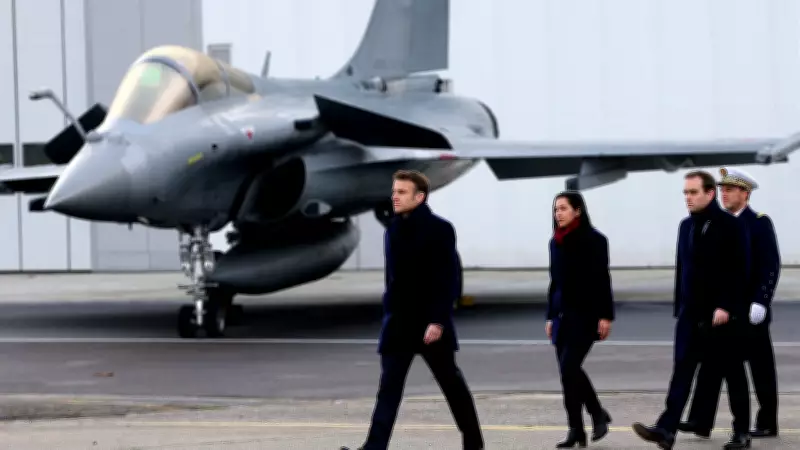
France's decision to withhold access to the core source codes of its Rafale fighter jets from India has significantly heightened scrutiny over New Delhi's long-term airpower strategy and operational autonomy. This refusal impacts critical onboard systems, including the Thales RBE2 active electronically scanned array radar, the Modular Data Processing Unit mission computer, and the SPECTRA electronic warfare suite. These components are essential for the aircraft's advanced sensor fusion, survivability in combat, and electronic warfare capabilities, forming the technological backbone of the Rafale's performance.
Implications for Indian Modifications and Upgrades
Without access to these source codes, India will remain heavily dependent on French approval for any major modifications to the Rafale jets. This dependency extends to integrating indigenous weapons systems, such as the Astra beyond-visual-range missile or the BrahMos air-launched cruise missile. Additionally, adjustments to radar algorithms, electronic warfare response protocols, or the data fusion logic within the mission computer would necessitate close coordination with French manufacturers Dassault Aviation and Thales Group. Such restrictions could delay upgrades and limit India's ability to tailor the aircraft to specific operational needs.
Urgency Amidst Potential Multi-Billion Dollar Acquisition
The issue has gained urgency as India evaluates the acquisition of up to 114 additional Rafale aircraft under its Multi-Role Fighter Aircraft programme. This deal is estimated to be worth approximately US$36 billion and aims to address the Indian Air Force's current shortfall in fighter squadrons. Currently, the force operates at roughly 31 squadrons against a sanctioned strength of 42, highlighting the critical need for enhanced airpower capabilities. The potential acquisition underscores the importance of resolving technology transfer issues to ensure long-term strategic flexibility.

Concerns Over Technological Sovereignty and Operational Autonomy
This development has revived deep-seated concerns over technological sovereignty and long-term operational autonomy for India. Analysts warn that restricted software control could severely constrain India's ability to independently upgrade the Rafale platform or adapt it to rapidly evolving threat environments. Such limitations might reduce flexibility during high-intensity electronic warfare scenarios, potentially compromising mission effectiveness. The controversy draws comparisons with Russia's offer to provide full source code access for the Su-57E export variant, including comprehensive design documentation and customisation authority. Russian officials have emphasised that this would allow Indian engineers to independently modify and modernise the aircraft, aligning with India's Atmanirbhar Bharat self-reliance objectives.
Historical Context and Previous Negotiations
A previous attempt to acquire 126 Rafale jets under the Medium Multi-Role Combat Aircraft competition was derailed due to disagreements on liability, quality control, cost structures, and the depth of technology transfer, despite the aircraft being technically selected. Subsequently, a smaller 36-aircraft deal signed in 2016 addressed urgent capability gaps but similarly lacked deep software-level technology transfer. This history underscores the ongoing challenges in achieving meaningful defense technology partnerships that support India's strategic independence goals.