Gulf Arab Nations Escalate Calls for US Action Against Iran
In a significant development, Gulf Cooperation Council (GCC) states, including Saudi Arabia, the United Arab Emirates, and Qatar, are reportedly pressing the United States to adopt a more aggressive stance toward Iran. This push comes as the crisis in the Strait of Hormuz deepens, with recent incidents heightening fears over maritime security and global energy flows. The Gulf states argue that temporary measures are insufficient and are advocating for a long-term strategy to neutralize Iran's influence in the region.
Strait of Hormuz Tensions Reach Critical Levels
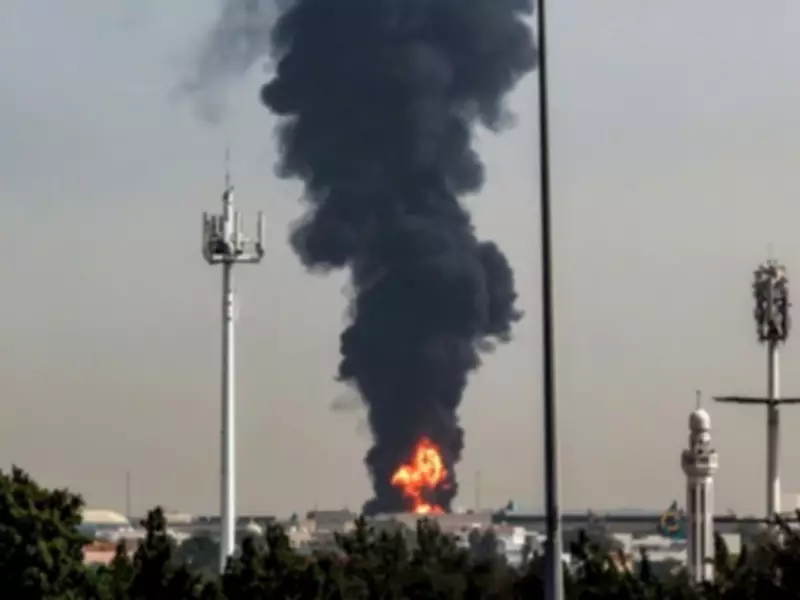
The Strait of Hormuz, a vital chokepoint for approximately one-fifth of the world's oil shipments, has become a flashpoint in recent months. Multiple confrontations involving Iranian naval forces and commercial vessels have raised alarms among international observers. According to sources, these incidents are part of a broader pattern of Iranian assertiveness, which Gulf states view as a direct threat to their economic and national security interests. The escalating tensions have prompted urgent diplomatic efforts, with Gulf leaders emphasizing the need for a robust US response to deter further provocations.
US Policy Under Scrutiny as Gulf Allies Demand Decisiveness
The Gulf states' appeal to the United States reflects growing frustration with what they perceive as a lack of decisive action in countering Iran's regional ambitions. Historically, US policy in the Middle East has oscillated between engagement and containment, but current administrations are facing renewed pressure to adopt a more permanent solution. Analysts suggest that the Gulf nations are seeking assurances beyond mere sanctions or military posturing, aiming for a comprehensive strategy that could include enhanced defense partnerships and economic measures to curb Iran's capabilities. This call for neutralization underscores the deepening rift between Iran and its Arab neighbors, with potential implications for global geopolitics.

Implications for Global Oil Markets and Regional Stability
The ongoing crisis in the Strait of Hormuz poses significant risks to global oil markets, with any disruption likely to trigger price volatility and supply chain challenges. Gulf states, as major oil producers, are particularly vulnerable to such disruptions, which could impact their economies and international trade relations. Moreover, the regional instability fueled by Iran's actions threatens to spill over into broader conflicts, affecting neighboring countries and international security frameworks. As the situation evolves, stakeholders are closely monitoring developments, with many calling for diplomatic resolutions to prevent further escalation.
In summary, the Gulf states' intensified pressure on the United States to neutralize Iran permanently highlights the critical nature of the Hormuz crisis. With tensions at a boiling point, the international community faces a pivotal moment in shaping the future of Middle East stability and global energy security.