Strait of Hormuz Blocked as Iran-US Peace Talks Hit Critical Stalemate
The Strait of Hormuz, a vital artery for global energy supplies, has been effectively shut down since Sunday after Iran reimposed control over the strategic waterway. This dramatic move comes just days before a fragile ceasefire between Iran and the United States is set to expire, plunging international efforts to de-escalate the conflict into uncertainty and sending shockwaves through world markets.
Shipping at a Standstill Amid Accusations and Warnings
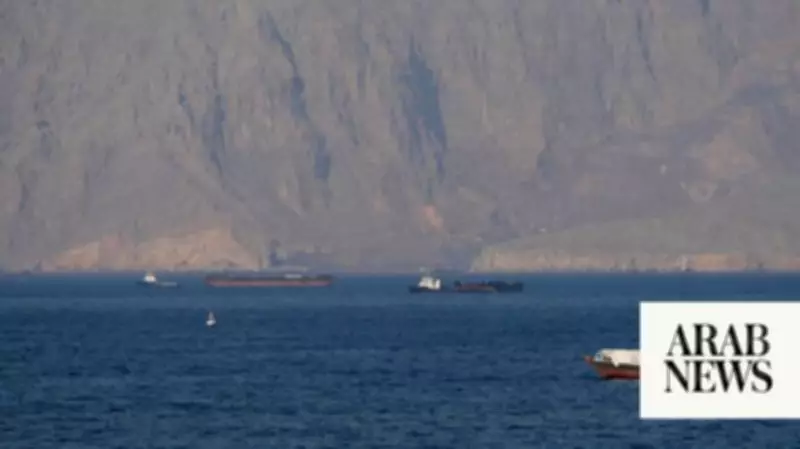
Marine traffic through the narrow strait, which typically carries one-fifth of the world's oil shipments, ground to a halt early Sunday. This followed reports on Saturday of two Indian-registered ships being attacked while attempting passage. Vessel-tracking data from MarineTraffic confirmed that no vessels entered or left the Gulf after midnight GMT.
Iran's armed forces reportedly turned back two tankers flying the flags of Botswana and Angola on Sunday, issuing warnings against what they termed "unauthorized transit." The semi-official Tasnim news agency attributed this action to the continuing U.S. maritime blockade on Iranian ports, which Tehran accuses Washington of violating, thereby breaching the ceasefire agreement.

This blockade reversal marks a significant escalation, as Iran had temporarily reopened the strait just days earlier following a separate U.S.-brokered ceasefire between Israel and Lebanon. The conflict, now in its eighth week, has triggered the most severe shock to global energy supplies in history, with oil prices surging due to the de facto closure.
Islamabad Talks Show Progress but Major Gaps Remain
Meanwhile, Pakistani-brokered negotiations in Islamabad—the first direct talks between the U.S. and Iran in decades—ended last week without an agreement. However, preparations appear underway for a resumption ahead of the ceasefire's expected end on Wednesday. The Serena Hotel, venue of the talks, informed guests to vacate due to a government event, with no reservations accepted until further notice.
Both sides have cited progress, but specifics remain elusive. U.S. President Donald Trump stated that "very good conversations" were occurring, while Iran's chief negotiator, Mohammad Baqer Qalibaf, acknowledged advancements but emphasized, "There is still a big distance between us." He noted that while each side has red lines, the core disagreements may be limited to one or two key issues.
The sticking points primarily revolve around nuclear issues and control of the Strait of Hormuz. According to sources familiar with the proposals, the U.S. suggested a 20-year suspension of all Iranian nuclear activity, whereas Iran proposed a halt of three to five years. Iran's Supreme National Security Council also asserted Tehran's right to demand payment for security and environmental services in the strait.
Escalating Rhetoric and Regional Implications
Tensions have flared with heightened rhetoric from both capitals. Iran's Supreme Leader Ayatollah Mojtaba Khamenei declared the navy ready to inflict "new bitter defeats" on enemies. President Trump, labeling Iran's actions "blackmail," defended the U.S. blockade and threatened to resume military strikes unless a long-term deal is reached before Wednesday.
The conflict, which began on February 28 with U.S. and Israeli airstrikes against Iran and has since spread to Lebanon, has claimed thousands of lives. India summoned the Iranian ambassador to express deep concern over the attacks on its flagged ships, highlighting the international ramifications.
With hundreds of vessels and approximately 20,000 seafarers stranded in the Gulf, the humanitarian and economic toll continues to mount. Oil prices, which fell about 10% on Friday amid hopes of a reopening, now face renewed volatility as the deadline looms.
As the world watches, the path to peace remains fraught with challenges, with the Strait of Hormuz serving as both a geopolitical flashpoint and a barometer for the fragile negotiations.